
Therapy For Black Women
Specialized Therapy for Black Women is essential for addressing our unique cultural challenges and promoting healing in a safe, affirming space.

Dr. Shaneze Gayle Smith

Vernee Brooks, LPC, LMHC
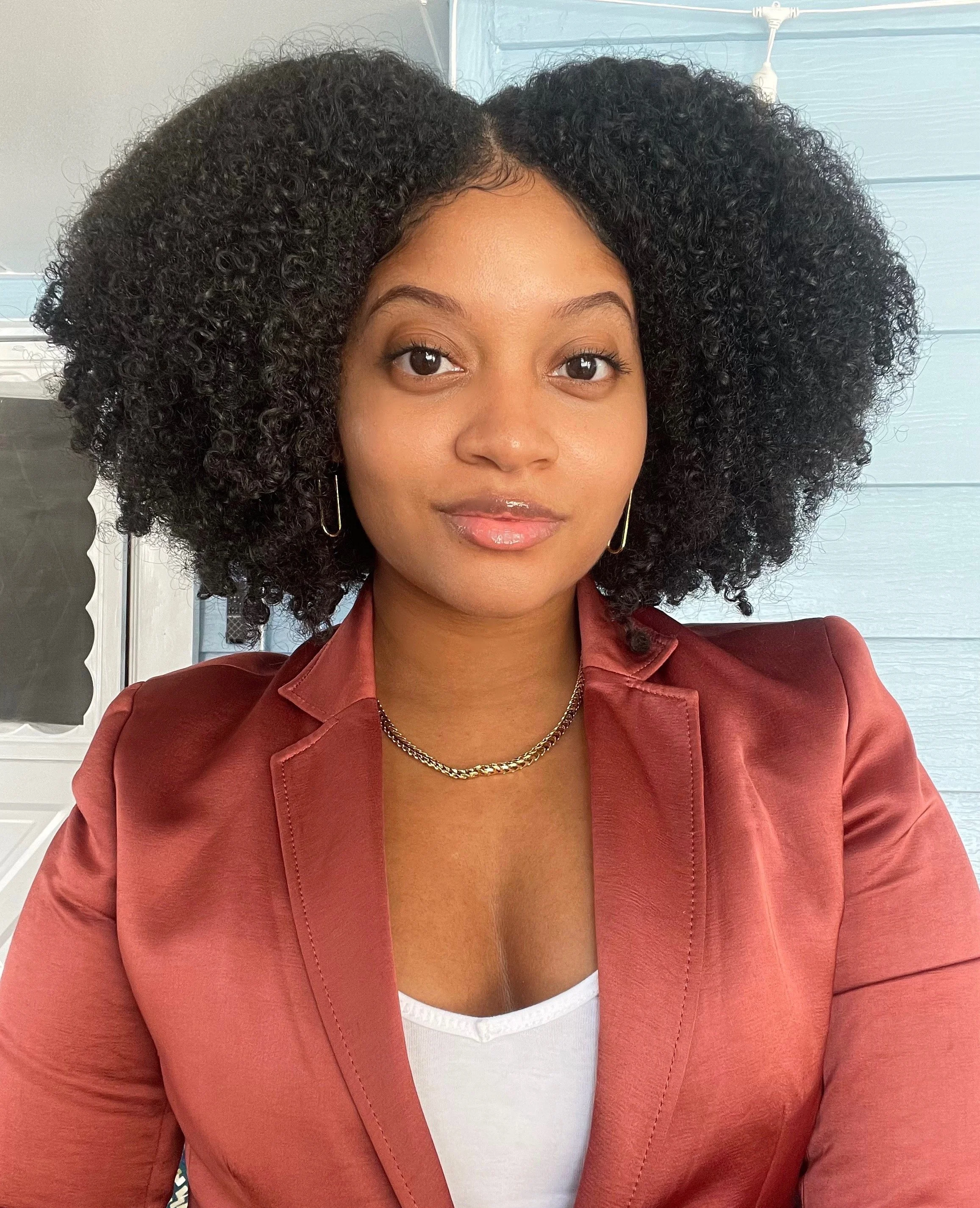
Christine Pacheco, LMSW
As Black women we know how difficult it is living in a society that devalues you. You deserve therapy that honors your racial identity and addresses the unique experiences and challenges you face. The current political climate has made therapy for Black folk more crucial than ever. With rising racial tensions and policies that disproportionately affect marginalized communities, the emotional toll on us is undeniable. It’s essential to have access to therapy that is not only culturally competent but also evidence-based. Whether you're navigating racial stress, anxiety, trauma, motherhood, career burnout or relationship difficulties, we’re here to empower you along your journey.
Are you Facing any of the following Unique Stressors ?
Feeling pressure to always be “strong,” even when you’re exhausted and overwhelmed
Struggling with anxiety or irritability while still performing at a high level
Difficulty balancing work and being a mother
Dealing with post-election stress
Constantly code-switching to feel accepted or respected
Being the only or one of the few Black women in the room
Experiencing career burnout due to toxic work environment
Navigating subtle bias or microaggressions that leave you drained and on edge (You’re so well-spoken)
Feeling unseen, misunderstood, or dismissed in professional spaces
Feeling like you have to work twice as hard to be taken seriously
Difficulty setting boundaries without fear of being labeled “difficult”; “ungrateful”; “not a team player”
Carrying generational expectations to be resilient, self-sacrificing, and composed
Working in DEI and experiencing DEI fatigue
Suppressing emotions to stay professional, productive, and “put together”…(Angry Black woman stereotype still exists).
Feeling pressure to support others while neglecting your own emotional needs
Wanting help but not wanting to explain or justify your reality
Longing for a space where you can finally exhale and be fully yourself
Black Women & Mental Health Struggles
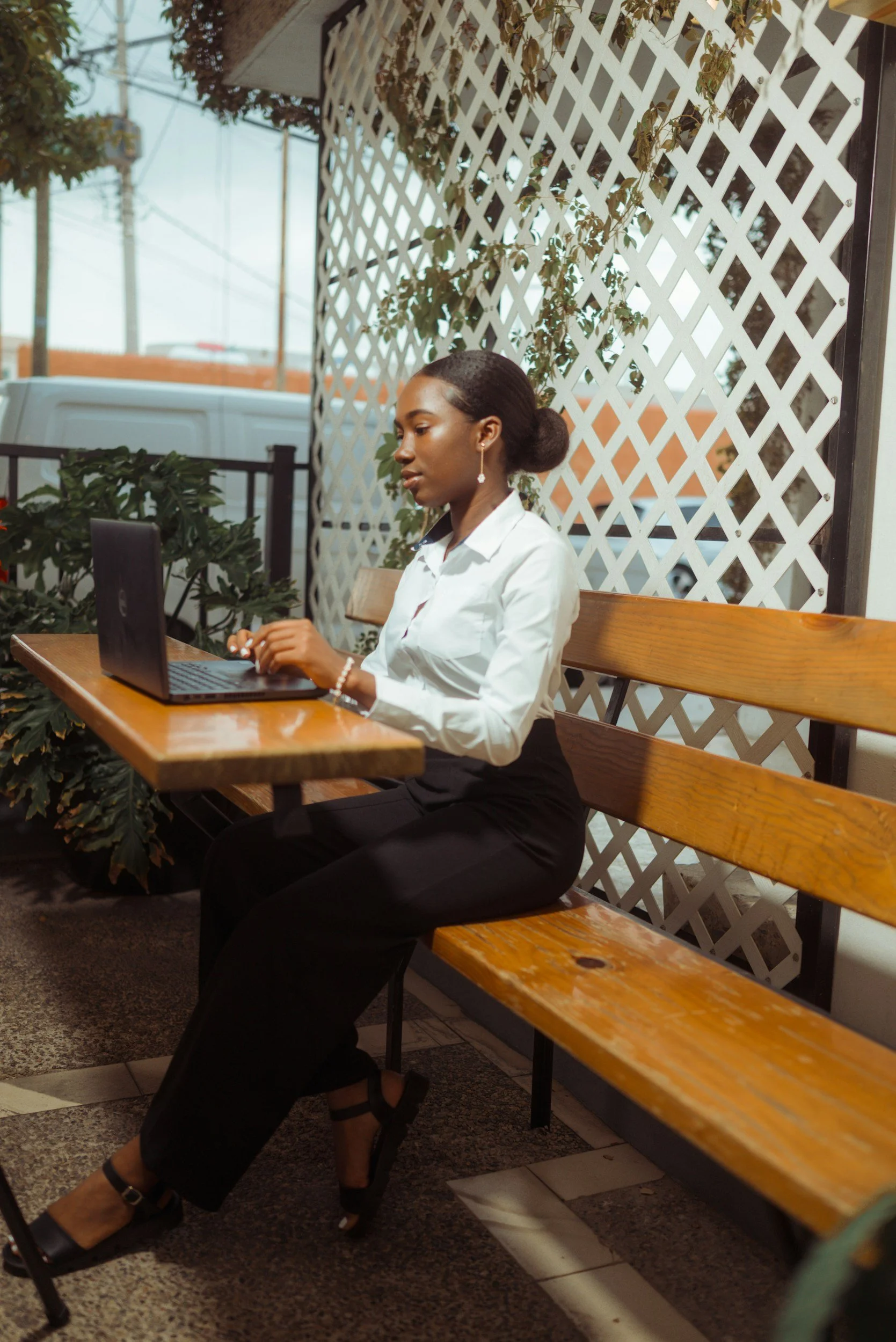
For many Black women professionals, mental health struggles are shaped by a unique combination of high expectations, systemic pressure, and the unspoken demand to always be resilient. Navigating predominantly white and/or male-dominated spaces often means managing microaggressions, code-switching, and the pressure to outperform just to be seen as competent. You are often dismissed, receive unequal scrutiny resulting in you silencing and altering yourself to what’s deemed acceptable. Once you clock out, you still carry personal, family, and community responsibilities. Even in the midst of success, carrying the weight of these stressors can lead to emotional exhaustion, anxiety, perfectionism and feeling unseen or unheard, especially when those struggles are minimized or misunderstood. Because you are often expected to be strong and self-sufficient, your struggles are frequently minimized—by others and sometimes by yourself—making it harder to seek support. Finding therapy that is culturally aware and affirming matters. You deserve support that recognizes the full context of your experiences and offers a space where all parts of you are understood, validated, and supported as you heal and grow. We know you got it but you don’t have to. Let us carry the load; we got you.

TESTIMONIAL
Therapy for Black Women:
Our Specialties
Anxiety & Panic Attacks
Depression
Health Issues & navigating chronic illness
Perfectionism & High Achiever Stress
Confidence & Self-Esteem
Work Life (Im)Balance
Career Stress and/or Career Pivot
Toxic Workplace and/or workplace discrimination
Intersectionality (LGBTQIA+)
Relationship Issues (including dating and conflict with friends or family)
Grief & Loss (of others & also who you used to be)
How Therapy For Black Women At
EMTG Helps
Healing from Racial Trauma: Many of us experience microaggressions, discrimination, and racism, which can lead to emotional and psychological wounds. Therapy can help process these experiences, reduce their emotional impact, and build resilience.
Empowerment and Self-Identity: Therapy can help you explore and embrace your identity, strengths, and values, fostering a sense of pride and confidence in who you are.
Building coping strategies and emotional regulation to have healthier ways to manage unique stressors/triggers, anxiety, and emotional dysregulation.
Improving relationships by learning communication skills to better handle conflicts.
Reducing Internalized Racism or Colorism: Due to negative messages we hear, Black women may internalize negative beliefs about their racial or ethnic group, significantly impacting Self-esteem. Therapy can help challenge and shift these internalized beliefs to promote healthier self-perceptions.
Identity development & Intersectionality: Exploring and understanding one’s personal identity, including--race, sexual orientation, gender, cultural identity and how they intersect/overlap
Support navigating interracial relationships and/or raising a mixed-race child.
Therapeutic Techniques We’ll
Use in Therapy
As therapists who understand cultural nuances, we offer more personalized and effective treatment. Our approach to therapy for Black women is integrative and strengths-based, using a blend of evidence-based practices with validation and empathy while tapping into strength already there:
Culturally Affirmative/Multicultural Therapy prioritizes your background and all of your identities so you feel seen and validated in your experiences.
Trauma-Informed Therapy helps you process and heal from trauma negatively impacting your mental health.
Cognitive Behavioral Therapy (CBT) helps you challenge unhelpful thinking patterns and core beliefs you have about yourself.
Dialectical Behavior Therapy (DBT) provides skills to manage intense emotions and develop emotional regulation.
Acceptance and Commitment Therapy helps you identify your values and goals and how to align them with your actions despite living in a discriminatory environment.
About Dr. Shaneze Gayle Smith
I am licensed to provide therapy in 41 states.
As a Black first-generation American, I often felt torn between different worlds. It was difficult navigating the pressure of balancing the cultural values and expectations of my family's heritage with the expectations of American society. Having navigated spaces where I was the only one who looked like me in the room, it’s so important to have a space where you feel safe to process all parts of your identity. Together, we’ll help you cultivate self-acceptance of who you are, set boundaries, discover pathways for activism and recover from burnout.
I’m really passionate about helping Black professional women navigate career/work stress, burnout and navigating motherhood. I have extensive experience working with physicians, attorneys and entrepreneurs. I have expertise working with interracial couples, mixed race families and transracial adoptees.
Education
PhD in Clinical Psychology, Seton Hall University (Health Psychology & Child/Adolescent Focus)
Psychology Residency, Albert Einstein College of Medicine/Montefiore Medical Center
MS in Forensic Psychology, Walden University
Medical School (3 years), Rutgers-New Jersey Medical School
BA in Cell Biology and Neuroscience, Rutgers University
Credentials
Advanced training in Cognitive Behavioral Therapy (CBT), Acceptance and Commitment Therapy (ACT) and Dialectical Behavior Therapy (DBT) and use of these theoretical approaches with anti-racist perspective.
Trained by experts in the field in multicultural therapy & multicultural competency for clinicians.
Expertise in workplace discrimination & racial trauma.
About Vernee Brooks, LPC, LMHC

I am licensed for therapy in New York, New Jersey & Texas.
As a Black female therapist, I am deeply passionate about supporting Black women who are navigating the complexities of racial trauma, identity struggles, and the intersections of race, gender, and culture. I understand firsthand the unique pressures we face in a world that often marginalizes us, and I am committed to providing a space where Black women can feel seen, heard, and empowered. My work centers on acknowledging and validating the pain that comes with racial injustice, while also celebrating the strength, resilience, and beauty inherent in our identities. I believe in the importance of unpacking the layers of intersectionality—how race, gender, class, and other aspects of our identities shape our experiences and mental health. Through our work together, I aim to help clients reclaim their power, embrace their authentic selves, and heal from the trauma that can often feel too heavy to carry alone. Sis, it’s an honor to walk alongside you on your journey to self-discovery, healing, and empowerment.
Education
M.S. in Clinical Mental Health Counseling, Walden University
BA in Psychology, Rutgers University
Credentials
Advanced training in Cognitive Behavioral Therapy (CBT), Acceptance and Commitment Therapy (ACT) and Dialectical Behavior Therapy (DBT).
Expertise in anxiety and panic attacks due to race-related stressors particularly for Black women, Black identity exploration, and body image issues.
About Christine Pacheco, LMSW
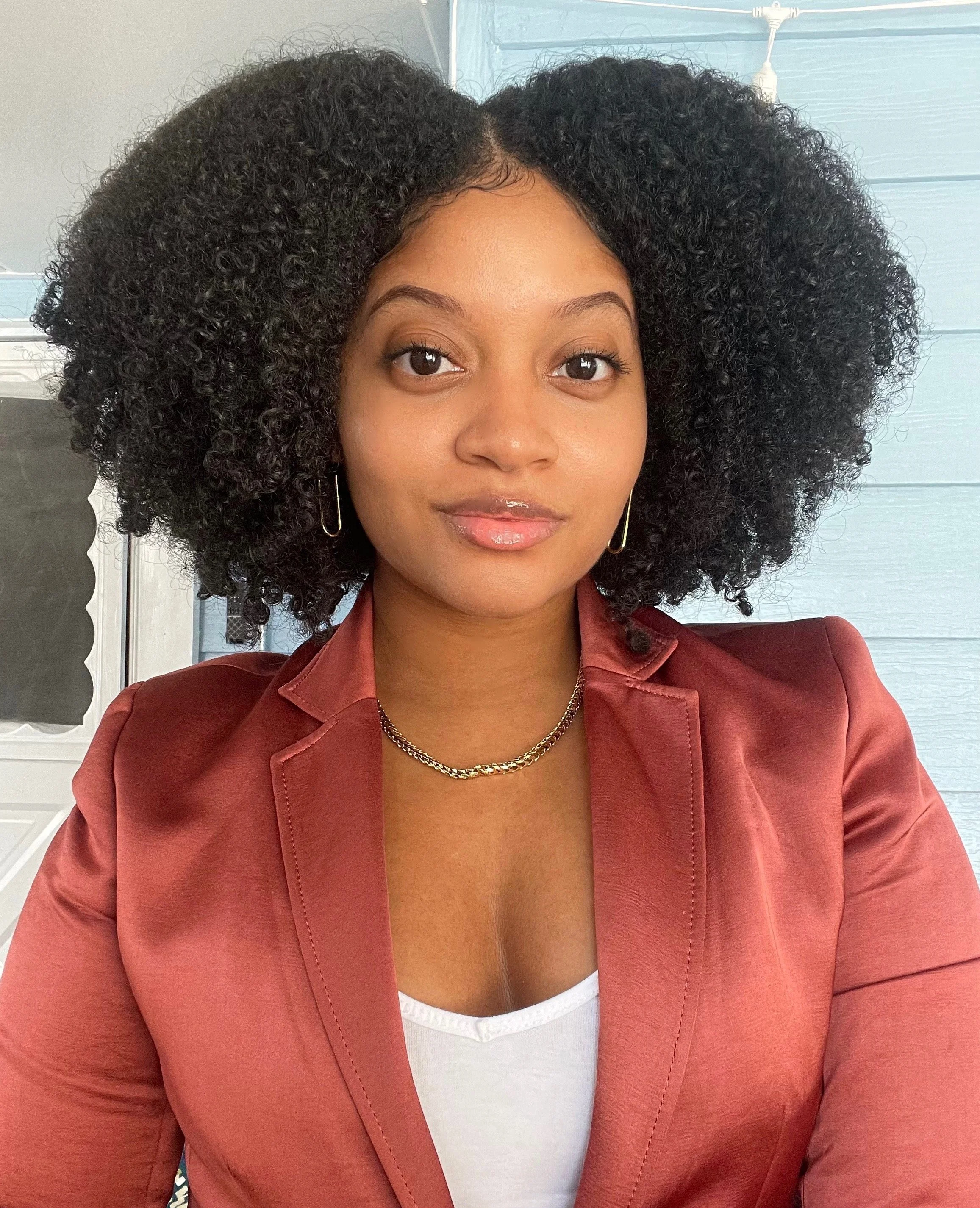
I am licensed for therapy in New York.
As a therapist of Jamaican and Puerto Rican descent, I'm deeply committed to supporting Black and Brown women facing intergenerational trauma, relationship challenges and the pressure of being "the strong one." I combine warmth, insight and practical tools to help you thrive.
I particularly enjoy working with Black women navigating anxiety, and life transitions such as career shifts or becoming mothers. I provide a space to problem solve, explore your fears around the unknown, strengthen self-trust and gain clarity on redefining yourself. Additionally, I have expertise in supporting Black women in corporate environments. If you're ready to create lasting change, we can work together to help you feel grounded, connected and more at ease within yourself and with others. Let's begin your journey toward the life and relationships you deserve.
Education
Master of Social Work, Fordham University
Bachelor of Arts in Psychology, Brooklyn College
Credentials
Advanced training in Cognitive Behavioral Therapy (CBT), Attachment-based therapy, Person-Centered therapy and Dialectical Behavior Therapy (DBT).
Expertise in supporting Black mothers, individuals and couples experiencing race-related stress.
No worries- we are also running groups including: 1) BLACK MOM’S GROUP and 2) BLACK PROFESSIONAL WOMEN’S DATING GROUP. If interested in either of these groups, fill out form and we can discuss more.
Not Ready For Individual Therapy?
Therapy For Black Women FAQs
-
A: A therapist who understands or shares your cultural background can provide a more empathetic, relevant, and effective approach to therapy. They are likely to be more sensitive to cultural nuances and systemic issues that might affect your mental health, such as racial trauma, discrimination, and acculturation stress. This understanding can help foster a stronger therapeutic alliance and create a safe space for you to express yourself.
-
A: Therapy should be a safe and validating space where you can discuss any challenges you face, including those related to your racial or ethnic identity. As culturally competent therapists, we will recognize and honor the importance of your background, whether discussing racial trauma, microaggressions, or navigating multiple cultural identities. We are open to exploring how systemic oppression may impact your mental health.
-
We go at your pace! We strive to help our clients feel empowered and part of that is respecting boundaries that you set. It’s understandable to feel hesitant about discussing your race or cultural background, and the hope is once you feel like you’re in a safe and open environment, you’ll feel comfortable to share. If you ever feel uncomfortable or unsure, please tell us. We’re in this together.
-
A: Therapy can help you explore the different aspects of your identity, including how your culture influences your values, relationships, and goals. Together, we can navigate any conflicts you may feel between honoring your cultural background and adapting to societal expectations, offering support in finding a balance that aligns with your true self.
Getting Started Together
We’ll meet you where you are at. Our approach is compassionate and collaborative, with a focus on building trust in the therapeutic relationship.
Get started with a free consultation, we will schedule time to chat and discuss what’s bringing you to therapy and how we would work together. It’s your time to ask questions and figure out if we’re right for you.