
Trauma Therapy
Therapy for Trauma, PTSD & C-PTSD:
At its core, exposure to trauma significantly disrupts our sense of self, how we see the world, and our ability to feel safe and cared for. Therapy can be a powerful first step toward restoring a sense of safety and beginning the process of healing. As trauma specialists and survivors, we help you address trauma at its deepest level. You don’t have to navigate it alone.
Does Trauma Feel Like It’s Controlling Your Life?
Are you constantly on high alert, struggling to sleep despite feeling exhausted?
Do intrusive thoughts keep pulling you back into painful memories?
Does it feel like your external success is masking your internal struggle?
Maybe you're finding it hard to regulate your emotions—lashing out at loved ones or feeling numb and disconnected.
Do you struggle to trust others, fearing abandonment or rejection? Or do you feel you’re un-loveable….constantly crippled by feelings of guilt or shame?
If these experiences sound familiar, you’re not alone. Trauma therapy can help you regain control, feel safe again, and reconnect with the person you want to be.

Trauma Has No Timestamp
Research shows that trauma isn’t stored in the brain like a normal memory—it’s often held in the nervous system as a felt experience. When something in the present reminds the brain of past danger, the body can react as if the trauma is happening right now, even when you logically know you’re safe. This is why trauma can feel so immediate and overwhelming….why certain sounds, interactions, or emotional cues trigger intense reactions that seem to come out of nowhere. It’s not a failure of willpower or insight; it’s the brain doing exactly what it learned to do to survive. Therapy helps the nervous system update those old survival responses so the past no longer hijacks the present.

TESTIMONIALS
Our Specialties
We specialize in helping high achievers heal from trauma to thrive and fully connect with themselves and others.
We have expertise in the following:
Childhood Trauma/Abuse (neglect, verbal and physical abuse)
Children of Emotionally Immature Parents
Sexual Abuse or Assault (in childhood and/or adulthood)
Identity-based trauma (discrimination or maltreatment due to your race, ethnicity, gender, sexual orientation and disabilities).
Medical Trauma (childbirth, chronic illness, cancer survivorship)
Relational Trauma (abusive relationships, narcissistic abuse)
-
Learn about how trauma affects your mind and body, and why it’s been so hard to move past it.
-
We’ll identify the "stuck points" in your thinking, such as “I’m bad” or “It’s my fault,” and work through these distorted beliefs.
-
Together, we’ll develop healthier ways to manage triggers, anxiety, and emotional dysregulation.
-
Telling your story in a safe space helps you make sense of what happened and begin the healing process.
-
Gradually, we’ll confront the things you’ve been avoiding because of the trauma, allowing you to reclaim parts of your life.
-
Whether it’s feeling safe in your body, in your relationships, or in your surroundings, we’ll work on restoring your sense of security.
-
We will highlight the effects of unsafe attachments and relationships or unmet emotional needs that can give insight into the patterns or assumptions you may hold today so you can change them.
Trauma Therapy With EMTG
Trauma therapy with us is tailored to fit your individual needs. It’s about healing deeply so that you can live a fulfilling and connected life. Here’s what we’ll focus on:
Therapeutic Techniques We Use
Our approach to trauma therapy is integrative, using a blend of evidence-based practices that target both the mind and body:
Cognitive Behavioral Therapy (CBT) helps you challenge unhelpful thinking patterns.
Cognitive Processing Therapy (CPT), a specialized form of CBT for trauma, addresses beliefs tied to your trauma like guilt, shame, or a lack of trust.
Dialectical Behavior Therapy (DBT) provides skills to manage intense emotions and develop emotional regulation.
Trauma-Focused CBT (TF-CBT) is an approach designed to help children and adolescents, integrating parents into the healing process when appropriate.
Psychodynamic Therapy focuses on making connections between past experiences and their impact on your sense of self or relationships today.

Results From Trauma Therapy
Our clients report:
The ability to sleep again
Fewer or no more nightmares or flashbacks
Releasing feelings of guilt / shame
Rebuilding trust with others and forming healthier, more connected relationships
Changing unwanted relationship patterns such as people pleasing tendencies
Feeling grounded and more at peace in their bodies
A sense of safety and control over their life
Increase in self-esteem and self-worth and new confidence in who they are
Feeling more self-acceptance and living life based on personal values not others’ expectations/desires
With time, you’ll stop feeling like the trauma defines you, and instead, you’ll feel empowered and hopeful about the future.
About Dr. Shaneze Gayle Smith

I’m a trauma survivor and trauma specialist with extensive experience helping both adults and children heal from trauma. I’mlicensed for in-person therapy in NYC and virtual/online therapy in 41 states.
With a background in trauma research, I’ve spent years studying how trauma impacts the mind and body in childhood and adulthood. My dissertation focused on the physical effects of trauma, particularly how the body stays in a constant state of fight-or-flight, leading to chronic stress and inflammation which is linked to dozens of medical conditions. I’ve worked at trauma-focused treatment centers, including the Regional Diagnostic Treatment Center for Child Abuse, supporting children and families impacted by child sexual abuse, physical abuse, neglect and violence.
I also have experience in medical trauma, having worked in a cancer institute with survivors facing long-term emotional and physical effects of their treatment. Additionally, I have expertise in providing trauma treatment to those who are neurodiverse. My practice is informed by a deep understanding of how trauma impacts both the body and mind, and how healing needs to be holistic and tailored to one’s unique needs.
Education
PhD in Clinical Psychology, Seton Hall University (Health Psychology & Child/Adolescent Focus)
Psychology Residency, Albert Einstein College of Medicine/Montefiore Medical Center
MS in Forensic Psychology, Walden University
Medical School (3 years), Rutgers-New Jersey Medical School
BA in Cell Biology and Neuroscience, Rutgers University
Credentials
Certified in Cognitive Processing Therapy (CPT) and Trauma-Focused Cognitive Behavioral Therapy (TF-CBT)
Expertise in relational trauma, childhood trauma, medical trauma, and complex PTSD
Over a decade of experience working with trauma survivors in clinical and research settings
About Vernee Brooks, LPC, LMHC

As a survivor of childhood sexual trauma and other traumas in young adulthood, I have been where you are. I have 10 years of extensive experience helping adults heal from trauma- licensed for therapy in New York, New Jersey & Texas.
The traumas I experienced caused a multitude of trauma responses leading to low self worth, difficulty acquiring and maintaining healthy romantic relationships, people pleasing behaviors and a host of others. That is, until I healed that part of my story. Now, I have spent the last decade aiding others in growing through the scars that trauma leaves behind.
With these years in the field, I have honed my skills in various trauma-informed therapeutic techniques. During this time I worked in Mental Hospitals, Group settings, Inpatient and Outpatient facilities and in home. I help people identify, process, and grow through their past traumas and uncover who they were meant to be outside of their normal reactions to these abnormal events.
Our past traumas do not define us… let’s get to work!
Education
M.S. in Clinical Mental Health Counseling, Walden University
BA in Psychology, Rutgers University
Credentials
Advanced training in Cognitive Behavioral Therapy (CBT), Acceptance and Commitment Therapy (ACT) and Dialectical Behavior Therapy (DBT).
Expertise in relational trauma, childhood trauma, narcissistic parents, and complex PTSD
Over a decade of experience working with trauma survivors in various clinical settings
About Christine Pacheco, LMSW
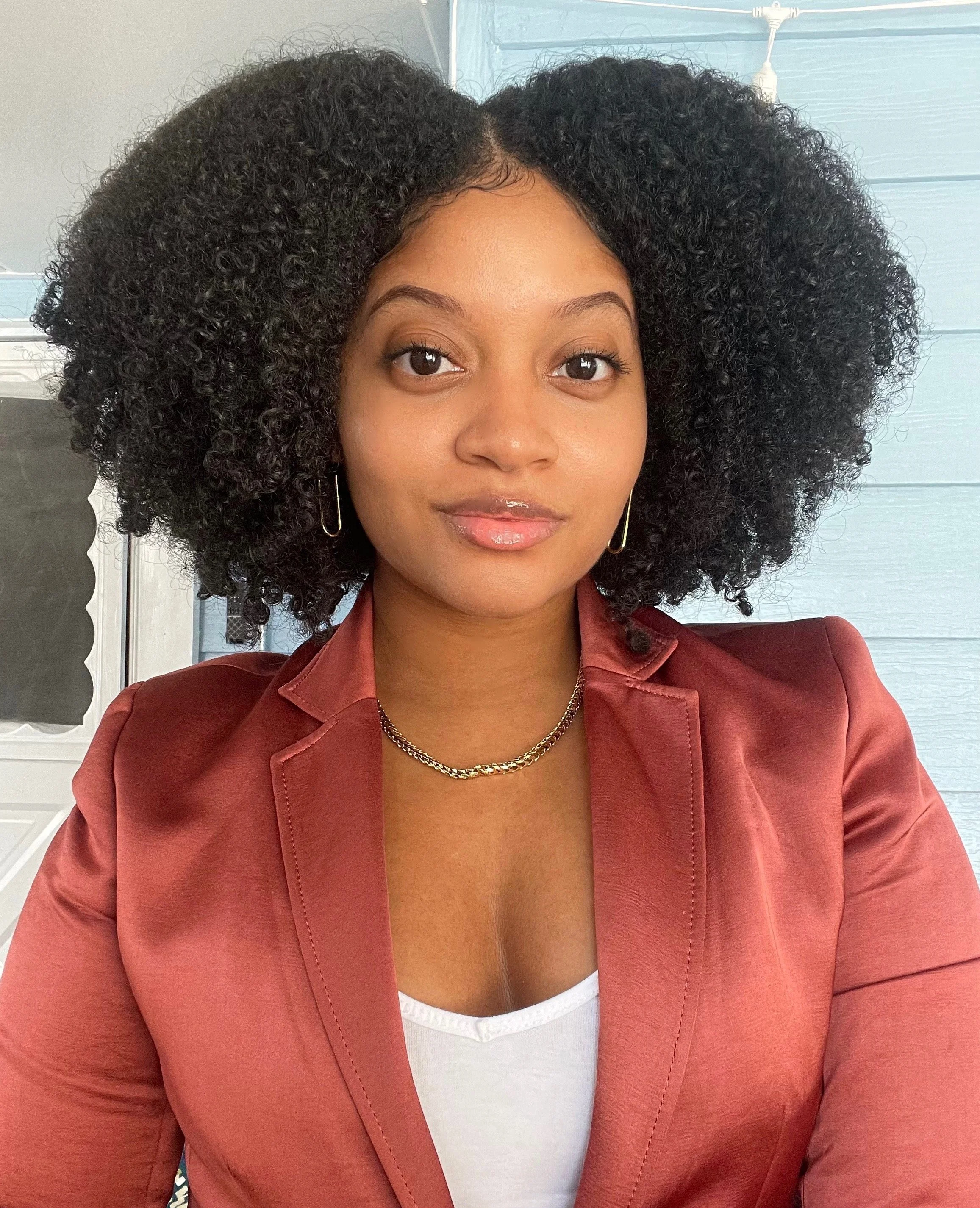
I am licensed for therapy in New York.
As someone who’s done her own inner work, I know healing isn’t about perfection. I know this work isn’t just theoretical. I’ve navigated my own struggles and understand how deeply attachment wounds and family conflict can shape the way we see ourselves and relate to others. That lived experience informs how I show up with my clients—with empathy, patience, and a deep respect for how hard this work can be. I support people as they untangle long-standing family dynamics, heal attachment trauma, and learn new ways of connecting that feel safer and more authentic. Therapy, in my view, is a collaborative space where real healing happens when you feel understood, supported, and not alone in the process.
Education
Master of Social Work, Fordham University
Bachelor of Arts in Psychology, Brooklyn College
Credentials
Certified in Trauma-Focused CBT
Advanced training in Cognitive Behavioral Therapy (CBT), Attachment-based therapy, Person-Centered therapy and Dialectical Behavior Therapy (DBT) for trauma.
Expertise in integration of EMDR & IFS (internal family systems)
Getting Started Together
We’ll meet you where you are—whether you’ve never spoken about your trauma before, or you’ve been in therapy for years but are still struggling. Our approach is compassionate and collaborative, with a focus on building trust in the therapeutic relationship. Our connection will be one that is authentic and real in which you’ll feel seen, heard and understood.
You don’t have to continue feeling trapped by your past. Trauma therapy can help you feel safe, confident, and free to live the life you were meant to.
NOT READY FOR INDIVIDUAL THERAPY?
No worries- we are also running trauma groups this summer including: 1) ADULT CHILDREN OF EMOTIONALLY IMMATURE PARENTS, 2) ADULT CHILDREN OF NARCISSISTS and 3) MODERN DATING WOMENS GROUP. If interested in any of these groups, fill out consult form and we can discuss more.
Trauma Therapy, CPTSD & PTSD
FAQs
-
C-PTSD is characterized by core features of PTSD, in addition to difficulty with emotion regulation, a persistently negative sense of self, and chronic difficulty in relationships. C-PTSD often occurs after repeated and prolonged exposure or experience of traumatic events, often starting in childhood where escape from the situation was not possible. C-PTSD is not a universally accepted diagnosis - it was only accepted to the ICD-11 in 2018. It recognizes that someone’s experience of trauma may not have a beginning and end, and they must manage the effects of enduring trauma compounded over time.
-
Absolutely. Having flashbacks can be really disorienting and terrifying, and it feels even worse if you don’t understand why it’s happening. Sometimes the things you are trying to manage your flashbacks may be unintentionally making them worse. Sometimes we avoid things that might trigger the flashbacks which can really limit your quality of life. By getting professional support on what is happening and learning how to respond in healthy ways, you can regain a sense of control of your body and emotions.
-
Flashbacks and nightmares are some common signs of PTSD; however, trauma doesn’t automatically mean PTSD. PTSD is a specific diagnosis given to people who experience a specific combination of active symptoms for over a month following a traumatic event. A trauma isn’t limited to one kind of experience. Sometimes while you are going through something, it doesn’t seem like that big a deal. Calling it “trauma” might feel like overkill—but trauma comes in all shapes and sizes. Anything that has a lasting negative emotional impact can be traumatic. It’s how YOU experienced it.
-
Yes! Even if your trauma(s) happened years ago and you’re in a very different place in life, therapy can still be helpful. Sometimes the effects of trauma are obvious, while sometimes they are not—learning more about the range of ways trauma can affect us, can be very illuminating to what you’re going through. Having an outside person give you a different perspective can really help you connect the dots.
Additionally, even though trauma might not impact you right now, certain life experiences/stressors can trigger it such as new relationships, parenthood, grief. When you’re proactive and get the support ahead of time, it helps so that when big life changes occur—your unresolved traumas don’t come out of nowhere. -
Absolutely not. It’s normal to have trouble moving past things that have happened. Nothing is wrong with you. Often people use distraction, avoidance, workaholism to cope but those only provide temporary relief. You just need support in helping you cope with what happened in a healthy way that's sustainable.
-
Talking about unresolved trauma may feel painful and bring up a lot of intense feelings at first, but these feelings lessen over time as you learn to process and cope with support.