
Therapy for People Pleasers in NYC
Therapy for people pleasing helps you acknowledge that your worth is not defined by other people’s opinions. It’s time to choose something more. It’s time to choose YOU.
Are you a chronic people pleaser?
You struggle with saying no—even when you’re exhausted
You’re constantly overwhelmed by the feelings and emotions of others
You avoid conflict at all costs
You give and give, yet rarely feel it’s reciprocated
You desperately want others to like you
You doubt yourself and struggle with low self-esteem

When you engage in people pleasing you are out of integrity with yourself, your goals, your dreams and who YOU want to be.

The Dangers of People Pleasing
People pleasing stems from deep rooted attachment issues. Growing up in a household where your parents were emotionally unavailable, you might have longed for that connection with them. Maybe it never felt safe to disagree with others or have your own opinions. Your entire authentic being wasn’t consistently accepted. You internalized the message that your feelings and needs don’t matter, leaving you with a core sense of shame and unworthiness. Makes sense, why else wouldn’t your parents be there for you in the way that made you feel safe? Must be something wrong with you. You feared abandonment and rejection, so your natural adaptation was to please others to maintain closeness.
So as an adult you self-sacrifice, over-explain, say yes out of fear (when you desperately want to say no), conform, act “nice”, dismiss your own feelings, and put others first, as the way to be worthy of love, feel safe or avoid conflict. You want to control how others see you and it must be in a positive light. You deeply fear conflict and have an inability to express healthy anger or have anyone feel disappointed or upset with you. You’re noticing how people take advantage of you. This can lead to resentment and feeling anxious and just all around shitty, because basically it's living inauthentically, and who feels good when doing that?
Therapy can help you learn that you are not responsible for other people’s happiness. Your worth does NOT come from the approval of others. All healthy relationships have boundaries and limits and in therapy you can learn not only how to set them but also maintain those boundaries without guilt. You can learn that upsetting or disappointing others doesn’t mean you’re bad or wrong.
Imagine a different way of living
Imagine making decisions based on your values—not fear.
Imagine relationships where your needs matter too.
Imagine saying no without spiraling into guilt.
That version of you isn’t selfish—it’s grounded, authentic, and whole.
People Pleasing Therapy in NYC with EMTG
Our style is highly engaging yet warm and friendly. We will create a safe and supportive environment by being consistent and reliable. We will be non-judgmental, so you feel free to express yourself openly without fear of criticism or rejection. We will validate your feelings, so you feel heard and understood while also offering gentle challenges to help you shift your mindset. People pleasing therapy with EMTG will help you get tangible results. We don’t just address the why-we work on changing patterns that keep you stuck. Here’s some goals clients have had in treatment:
Understanding where anxiety stems from and the biological purpose of it.
Building coping strategies so you have healthier ways to manage triggers, anxiety, and emotional dysregulation.
Improving communication skills
You’ll learn how to identify and clearly express your needs, wants, and limits. Many people pleasers struggle to articulate what they need because they’ve spent a lifetime focusing outward. Like any skill, communication improves with practice—and therapy is a safe place to do that.Setting and maintaining boundaries
Setting a boundary is one thing; keeping it is another. We’ll work on helping you establish clear boundaries and maintain them—even when others push back, get upset, or try to guilt you. Boundaries don’t make you mean; they make relationships more honest and sustainable.Tolerating discomfort
At its core, people pleasing is often about avoiding guilt, shame, or fear of disappointing others. Therapy helps you build the capacity to tolerate that discomfort without abandoning yourself.Challenging limiting beliefs
Many clients say, “If I prioritize myself, I’m selfish or a bad person.” Let us be clear: you are not selfish for having needs. Together, we’ll work on shifting these deeply ingrained beliefs so you can see yourself—and your relationships—more clearly and compassionately.You’ve learned to suppress your needs to ensure safety, approval, or to avoid conflict, creating a lifelong survival strategy. People pleasing therapy will help you create a new strategy that serves you and helps you trust yourself.
Therapeutic Techniques We Use in People Pleasing Therapy
Our approach to people pleasing therapy is integrative, using a blend of evidence-based practices that target both the mind and body:
Cognitive Behavioral Therapy (CBT) helps you challenge unhelpful thinking patterns.
Dialectical Behavior Therapy (DBT) provides skills to improve your distress tolerance; manage intense feelings of guilt/shame and develop emotional regulation.
Psychodynamic Therapy/Attachment Therapy explores past experiences that may influence your current feelings and behaviors. By understanding and processing these old wounds, you can break free from negative patterns that are impacting your daily life in the present moment.
Family Systems Therapy to explore family dynamics that people pleasing might have stemmed from.
Results From People Pleasing Therapy in NYC
Our high achieving people pleasers report:
Making decisions with less overthinking and second-guessing
Saying no without spiraling into guilt or self-criticism
Feeling less responsible for other people’s emotions
Setting boundaries at work without fear of career consequences
Experiencing reduced anxiety and fewer stress-related symptoms
Feeling more confident speaking up in relationships and meetings
Letting go of perfectionism tied to approval and validation
Feeling more connected to their own values, needs, and identity
If you’re ready to explore therapy for people pleasing and start reconnecting with yourself, we’d love to support you.
About Dr. Shaneze Gayle Smith

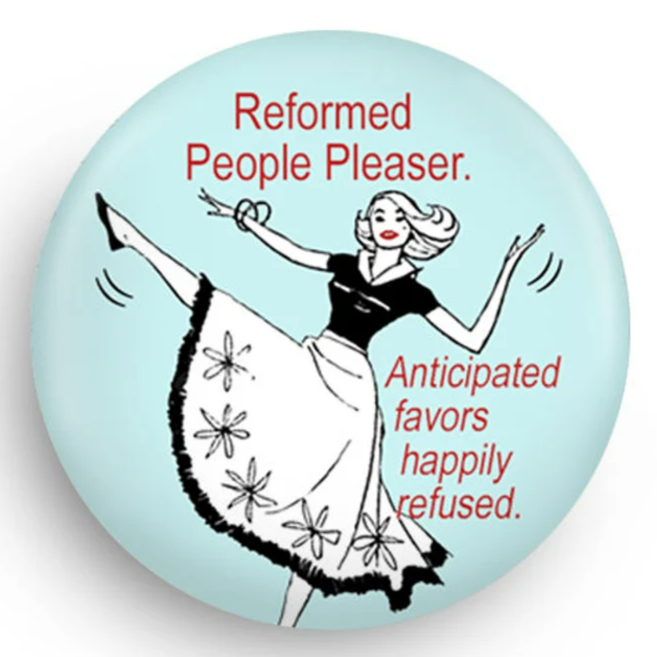
I’m a childhood trauma survivor and reformed people pleaser licensed for in-person therapy in NYC and virtual/online therapy in 41 states.
I get it—I was a people pleaser for decades, and I stayed in an abusive, toxic work environment far longer than I should have because I felt responsible for not letting others down, even when it came at the expense of my own wellbeing. Over time, people pleasing slowly eroded my sense of self; I stopped asking what I wanted or needed and began organizing my life around the expectations, emotions, and demands of everyone else. The anxiety was constant—the pressure to make the “right” decision so no one would be upset, paired with the heaviness that comes from living out of alignment with your values. In my work with clients, I see how this chronic stress often shows up in the body: persistent exhaustion, burnout, headaches, digestive issues, sleep disruption, flare-ups of chronic health conditions, and a nervous system that rarely gets to rest. Therapy becomes a space to slow down, reconnect with your limits, and begin untangling stress patterns that have been harming both your emotional and physical health.
Credentials
Certified in Cognitive Processing Therapy (CPT) and Trauma-Focused Cognitive Behavioral Therapy (TF-CBT)
Expertise in people pleasing manifesting in physical and stress-related ailments.
Over a decade of experience working with trauma survivors in working in toxic work environments
About Vernee Brooks, LPC, LMHC

As a people pleaser who survived childhood trauma, I have been where you are. I have 10 years of extensive experience helping adults heal from traumas that created their people pleasing- I’m licensed for therapy in New York, New Jersey & Texas.
As a therapist who works with people pleasers, I often support individuals whose patterns began in childhood—where staying attuned to others was a way to survive. When you grow up in environments that felt unpredictable, emotionally unsafe, or required you to mature too quickly, learning to anticipate and manage others’ needs can feel essential. In therapy, we gently unpack these early experiences while helping you build healthier, more reciprocal relationships in the present. This work isn’t about blaming the past—it’s about understanding yourself with compassion, strengthening your sense of self, and learning that connection doesn’t require self-sacrifice. You deserve relationships where your needs matter too.
Education
M.S. in Clinical Mental Health Counseling, Walden University
BA in Psychology, Rutgers University
Credentials
Advanced training in Cognitive Behavioral Therapy (CBT), Acceptance and Commitment Therapy (ACT) and Dialectical Behavior Therapy (DBT).
Expertise in people pleasing showing up in toxic or unhealthy relationships.
Over a decade of experience working with trauma survivors with people pleasing tendencies in various clinical settings
About Christine Pacheco, LMSW

I am licensed for therapy in New York.
In my work with people pleasers, I often see clients who feel overextended in every area of life—carrying the emotional weight of relationships that don’t feel reciprocal, saying yes at work until burnout sets in, and then blaming themselves for feeling overwhelmed or reactive. Many have learned to keep things together on the outside while struggling to regulate their emotions on the inside. In therapy, we focus on helping you slow down, understand your emotional responses without judgment, and recognize where your energy is being depleted rather than nourished. Together, we work toward building relationships and work lives that are more balanced, where effort is mutual and your emotional needs are no longer an afterthought.
Education
Master of Social Work, Fordham University
Bachelor of Arts in Psychology, Brooklyn College
Credentials
Advanced training in Cognitive Behavioral Therapy (CBT), Attachment-based therapy, Person-Centered therapy and Dialectical Behavior Therapy (DBT) .
Expertise in supporting mothers navigating people pleasing.
Over 8 year experiences in attachment based approach to manage burnout, resentment, and emotional reactivity.
People Pleasing Therapy FAQs
-
A: People pleasing itself isn’t a diagnosis—it’s a learned pattern and coping strategy. It often develops in response to early relationships, family dynamics, or environments where keeping others happy felt necessary for safety or connection. You can read more about it on our childhood trauma page.
-
A: Guilt is one of the strongest drivers of people pleasing. Many people were taught—directly or indirectly—that asserting needs causes harm, conflict, or rejection. Therapy helps you understand where this guilt comes from and how to tolerate it without abandoning yourself.
-
A: Yes. In fact, healthier boundaries often improve relationships. Therapy focuses on helping you communicate more clearly and authentically, so relationships become more balanced instead of one-sided.
-
A: This is a very real fear. When you stop people pleasing, others may react—especially if they benefited from your lack of boundaries. Therapy helps you navigate these reactions while staying grounded in your values.
-
A: Unlearning people pleasing is a process, not a quick fix. With consistent therapy, many people begin noticing shifts in awareness, boundaries, and self-trust within months.