
Couples Therapy When One Partner Has ADHD
When one of you experiences the world differently, your relationship deserves a therapist who understands that
When ADHD Is the Third Partner in Your Relationship
You didn't sign up to feel like a parent to the person you love. And they didn't sign up to feel like a child who can never get anything right.
But somewhere along the way, that's where you ended up.
ADHD doesn't just affect the person who has it. It reshapes the entire dynamic of a relationship — quietly, gradually, and often long before either partner understands what's actually happening. The missed commitments, the half-finished projects, the conversations that go nowhere, the emotional reactions that seem wildly disproportionate — none of it is intentional. But intentional or not, it accumulates. And eventually it starts to feel like the relationship itself is broken.
It isn't. But it does need a different kind of help than most couples therapy offers.
At Empowered Mind, we understand the specific ways ADHD shows up in relationships — and we help couples build something that actually works for both of them, not just the neurotypical default.

Does This Sound Like Your Relationship?
You've had the same conversation about the same forgotten thing more times than you can count
One of you is carrying the entire mental load of the household — the scheduling, the remembering, the following up — and is running on empty
The ADHD partner feels constantly monitored, criticized, and like they can never measure up no matter how hard they try
Emotional dysregulation turns small friction into major ruptures — and neither of you knows how to come back from them quickly
Intimacy has suffered because resentment, exhaustion, and emotional distance have quietly taken over
The non-ADHD partner has shifted from lover to manager — and resents it, even while feeling guilty about resenting it
The ADHD partner hyperfocuses on things outside the relationship and the other partner is left feeling like a low priority
Rejection sensitive dysphoria makes honest conversations feel impossibly high-stakes
A diagnosis — recent or long overdue — has reframed your entire relationship history and you're both still processing what that means
You love each other but the dynamic you've fallen into doesn't feel sustainable much longer

Therapy That Understands What ADHD Actually Does to a Relationship
Most couples enter their relationship with no real map for what they're navigating. But when one partner has ADHD, the terrain is fundamentally different — and almost nobody tells you that upfront. By the time most couples seek help, years of frustration have built up on both sides. One partner exhausted from carrying the invisible load. The other ashamed, and never quite sure why they keep falling short. Neither knows how it got this bad. They just know it feels like they're failing each other.
Research consistently shows that ADHD affects relationships in ways that go far beyond the symptoms most people recognize. Emotional dysregulation, rejection sensitivity, and the gap between intention and follow-through create patterns that standard couples advice simply doesn't address. What looks like selfishness is often dysregulation. What looks like nagging is often a partner who has quietly run out of other options. Without the right framework, both partners spend years misreading each other — and that compounds into resentment, distance, and loneliness.
This doesn't mean your relationship is broken. It means it requires a level of understanding that most therapists simply don't have.
At Empowered Mind, we bring clinical training in both couples therapy and neurodevelopmental differences. We understand the ADHD nervous system, the emotional experience of the non-ADHD partner, and the specific patterns that form when these two worlds collide. We don't take sides. We build understanding — and from that, a way forward that actually accounts for how both of you are wired
How ADHD Couples Therapy At EMTG Helps
-
When forgotten commitments, missed deadlines, and emotional outbursts have been a pattern for years, it's easy for the non-ADHD partner to experience them as evidence of not being loved or prioritized. We help both partners understand what is ADHD — the neurological reality — and what is the relationship dynamic that has built up around it, so you're solving the right problem.
-
This is the most common and most corrosive pattern in ADHD relationships — and it develops without either partner choosing it. One person takes on more and more responsibility; the other feels increasingly infantilized and incapable. We help you dismantle this dynamic deliberately and rebuild a partnership between two equals — which requires structural changes, not just goodwill.
-
"Just remember" and "try harder" aren't strategies — they're setups for failure and shame. We help couples design practical systems for shared responsibility that account for how the ADHD brain actually functions — externalized reminders, realistic expectations, clear ownership — so the non-ADHD partner isn't the only thing standing between the household and chaos.
-
RSD turns ordinary feedback into perceived devastation — and makes honest conversation feel like walking through a minefield for both partners. We help the ADHD partner understand their RSD triggers and responses, and help the non-ADHD partner communicate in ways that are less likely to activate it — without requiring them to permanently walk on eggshells.
-
When emotions escalate faster than either partner can track, conversations become collateral damage. We help you both recognize the early signs of dysregulation — before the point of no return — and develop a shared plan for slowing things down before they detonate.
-
The invisible labor of running a life together — the planning, anticipating, coordinating, and worrying — almost always falls disproportionately on the non-ADHD partner. We help you have an honest, non-blaming conversation about what that imbalance is actually costing the relationship, and build a more sustainable division that accounts for real differences in executive function without leaving one partner perpetually depleted.
-
Resentment is one of the quietest and most effective killers of intimacy. When it builds slowly over years of imbalance and misattunement, it doesn't announce itself — it just makes closeness feel increasingly out of reach. We help couples identify exactly where the emotional distance came from and create a deliberate path back — emotionally and physically.
-
The ADHD brain's capacity for hyperfocus is one of its great gifts — and one of its most common relationship liabilities. When a partner, hobby, or project captures that focus, the person on the outside can feel invisible. We help couples create intentional structures for relational presence so the relationship itself gets the attention it needs — not just when it's new and exciting.
-
Whether the diagnosis came recently or reframes decades of relationship history, it changes things. The non-ADHD partner may be grieving years of misattributed blame. The ADHD partner may be sitting with a complex mix of relief, grief, and anger. We create space for both of you to process what the diagnosis means — for your individual stories and for your shared one.
-
The goal isn't to make the ADHD partner more neurotypical or to ask the non-ADHD partner to absorb unlimited friction. It's to build something genuinely designed for both of you — with realistic expectations, honest accommodations, and a shared commitment to a partnership that works. That's something you build together. We help you figure out what it looks like.
Therapeutic Techniques for Couples Therapy
Cognitive Behavioral Therapy (CBT) helps you challenge unhelpful thinking patterns and core beliefs you have about your partner that often fuel miscommunication and resentment. CBT uses communication skills so couples learn practical techniques for expressing themselves clearly and listening effectively.
Culturally Affirmative/Multicultural Therapy prioritizes your background and all of your identities and how these experiences shape who you are and how you view your relationship. It can also help explore what expectations you may have about yourself and/or your partner.
Trauma-Informed Therapy helps you process and heal from previous childhood traumas and/or relational traumas from past partners that are impacting your relationship.
Dialectical Behavior Therapy (DBT) provides skills to manage intense emotions and develop emotional regulation when in moments of conflict.
Acceptance and Commitment Therapy helps you identify your values and goals and how to align them with your actions in your relationship.
Emotionally Focused Therapy for Couples (EFT) builds on attachment theory to support couples to build strong, healthy relationships by exploring and changing emotional dynamics to enhance mutual understanding and closeness.
Couples therapy offers a powerful opportunity for partners to improve communication, rebuild trust, and deepen emotional intimacy. With our guidance, couples can break negative patterns, resolve lingering conflicts, and better understand each other’s needs. Whether you’re facing a specific challenge or simply want to strengthen your relationship, therapy provides tools and insights to foster healthier, more supportive dynamics.
About Dr. Shaneze Gayle Smith

I am licensed to provide therapy in 41 states.
I understand how overwhelming it can feel when every forgotten commitment becomes a fight, or when the gap between you and your partner has grown so wide it's hard to remember how you got there. Couples navigating ADHD often come to me feeling exhausted and stuck in roles they never chose — one partner stretched thin from carrying too much, the other drowning in shame from never feeling like enough. It's painful when the person you love most feels more like a source of frustration than a source of comfort, and when your best efforts to connect keep missing each other entirely. Therapy offers a space to slow all of that down — to understand what's actually happening beneath the surface, and to find your way back to the safety, trust, and closeness that brought you together in the first place.
I have expertise working with couples where ADHD is reshaping the relationship dynamic — including the parent-child patterns that develop when one partner absorbs the full weight of household management, and the emotional dysregulation cycles that make honest conversation feel impossible. I also specialize in working with trauma survivors navigating ADHD alongside attachment wounds, couples facing fertility challenges or the transition into parenthood, and partners managing chronic health issues alongside neurodivergence. I have particular experience with interracial and mixed-race couples, those navigating different cultural backgrounds, and families raising children with different cultural identities than their parents Read More About Me Here
About Vernee Brooks, LPC, LMHC

I am licensed for therapy in New York, New Jersey & Texas.
As a therapist who works with couples affected by ADHD, I help partners move beyond the exhausting cycles that form when one brain works fundamentally differently from the other — the nagging that becomes contempt, the forgetting that becomes a referendum on love, the withdrawal that leaves both people feeling utterly alone. When ADHD is in the room, even well-intentioned conversations can collapse before they get anywhere. In couples therapy, I provide a neutral space where both partners can feel genuinely seen — where the non-ADHD partner's exhaustion is validated without blame, and where the ADHD partner can show up without shame. Together we build tools that are actually designed for how both of your minds work, not just the neurotypical default.
I have expertise working with couples navigating ADHD alongside the stress of parenting neurodivergent or special needs children — a combination that places extraordinary demands on a relationship and rarely gets the specific attention it deserves. I also specialize in working with couples who are uncertain about the future of their relationship, including situations where one partner is ambivalent about therapy itself. I approach that ambivalence with care rather than pressure — because therapy doesn't require both people to arrive fully ready or aligned. What it requires is enough safety and structure for honest conversation to become possible. From there, couples can gain real clarity, reduce tension, and make thoughtful decisions about what they actually want — together. Read More About Me Here.
About Christine Pacheco, LMSW
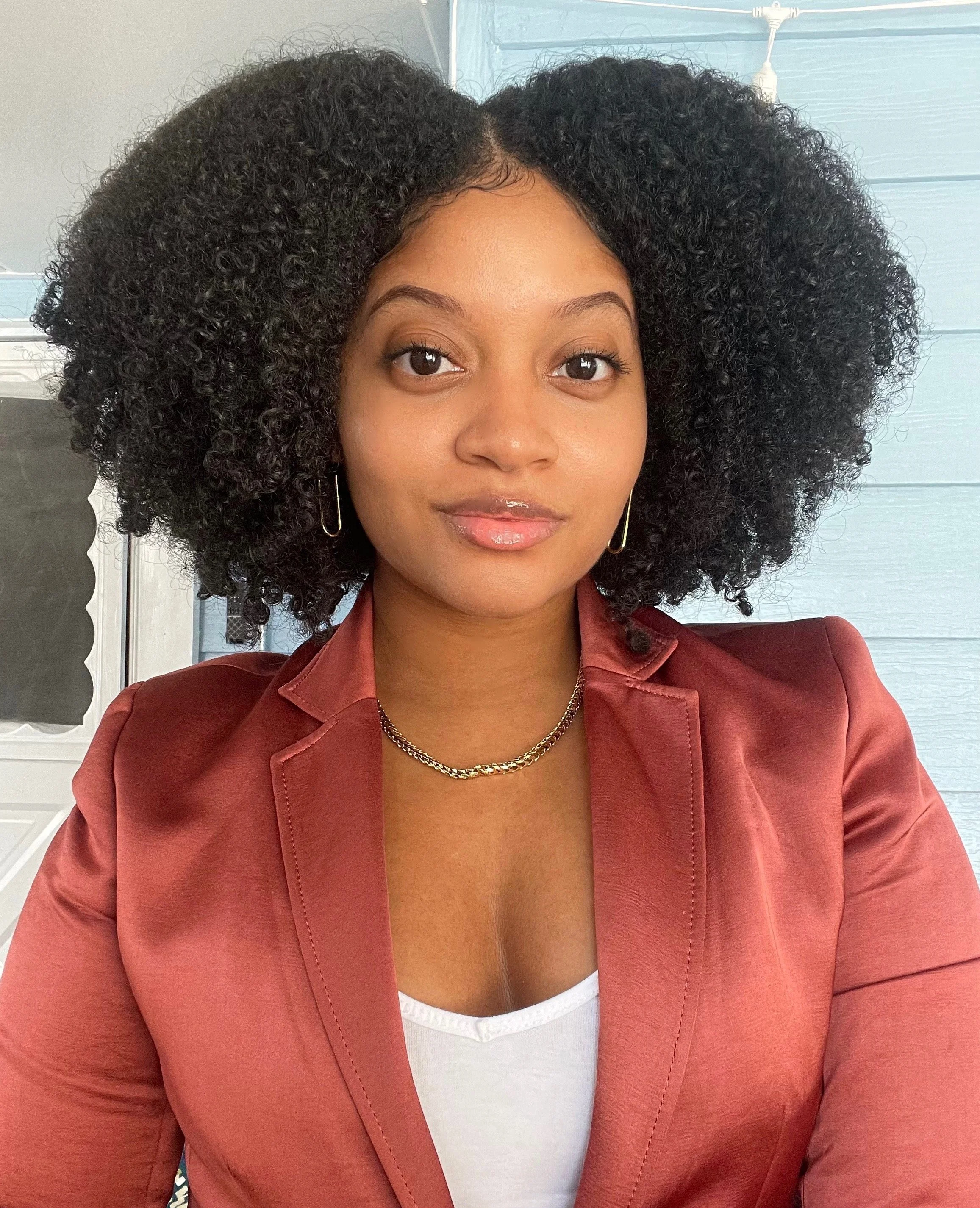
I am licensed for therapy in New York.
In couples therapy, I start by helping partners get clear on what's actually happening — not just the surface arguments about dishes and deadlines, but the underlying cycles that keep pulling you back to the same painful place. When ADHD is part of the picture, those cycles have a specific shape: the dysregulation that hijacks a conversation before it has a chance, the rejection sensitivity that turns honest feedback into perceived attack, the accumulated resentment that makes even neutral interactions feel loaded. I help couples see those patterns by name, understand what's driving them neurologically and emotionally, and build a different way of responding to each other — one that's designed around your actual reality, not an idealized version of how relationships are supposed to work.
I specialize in high-conflict ADHD couples — particularly where emotional dysregulation, rejection sensitive dysphoria, or years of accumulated resentment have made basic communication feel almost impossible. I have deep expertise working with couples where ADHD intersects with family-of-origin wounds and attachment injuries, where one partner's emotional intensity has consistently overwhelmed the other's capacity to stay present. I also work with couples navigating the specific collision of ADHD and new parenthood — a combination that stress-tests even the strongest partnerships — and with co-parents who need a genuinely neutral space to find common ground on how to raise their kids, even when they can't agree on much else. Read More About Me Here.
Couples Therapy FAQs
-
A: Not at all. While many couples seek therapy during difficult times, it can also be a proactive space for growth, strengthening connection, and learning better communication skills. Think of it as relationship maintenance, not just emergency repair.
-
A: 12-20 sessions is the typical amount of treatment length to see change. However, you and your partner can be in treatment for longer if you decide to.
-
Yea, we get it. It’s common for one partner to feel hesitant. Sometimes one partner isn’t fully sold on therapy or there’s a fear that the therapist will be biased towards one partner. We don’t take sides here. We will create a safe, neutral environment where both voices are valued. Even just attending a session or two can help both partners better understand the process and decide how to move forward together.
Rebuild, reconnect, and grow together.
Get started with a free consultation, we will schedule time to chat and discuss what’s bringing you to couples therapy and how we would work together. It’s your time to ask questions and figure out if we’re right for you and your partner.