
Therapy for Neurodiverse Couples
When one of you experiences the world differently, your relationship deserves a therapist who understands that
When Love Isn't the Problem
You love each other. That's not the question.
The question is why the same arguments keep happening. Why one of you feels chronically misunderstood and the other feels like they can never do anything right. Why good intentions keep producing painful outcomes.
When one partner has ADHD, autism, or another form of neurodivergence, relationships face a specific kind of friction — one that has nothing to do with effort or caring, and everything to do with how differently two minds can experience the same moment. Without the right framework, these differences can quietly erode even the strongest connection.
At Empowered Mind, we specialize in helping couples navigate exactly this

Does This Sound Familiar?
One of you needs explicit, direct communication — the other communicates in subtext and feels hurt when it's missed
Emotional dysregulation or shutdowns turn small disagreements into major ruptures
The neurotypical partner is exhausted from carrying the "invisible load" — planning, organizing, managing social life
The neurodiverse partner feels monitored, criticized, or like they're constantly failing
Sensory needs, routines, or intense interests feel like competing priorities in the relationship
Intimacy has suffered — emotionally, physically, or both
You've started to feel less like partners and more like a frustrated manager and a checked-out employee
One of you was recently diagnosed — and you're both trying to make sense of what that means for your relationship
You love each other but aren't sure you can keep going like this

Therapy That Actually Gets It
Most couples therapy frameworks weren't designed with neurodivergent relationships in mind. Generic communication tools often fail when one partner processes information, emotion, or social cues differently.
Our approach is different. We help you:
Understand the neurology, not just the behavior — so frustration becomes curiosity instead of resentment
Build communication strategies that actually work for your specific wiring as a couple
Redistribute labor and responsibility in ways that are sustainable and fair — not based on neurotypical defaults
Repair the emotional distance that tends to build when both partners feel chronically unseen
Strengthen intimacy in ways that honor both partners' needs
You don't need to change who you are. You need tools built for who you actually are — together
How Neurodiverse Couples Therapy At
EMTG Helps
Build a Communication System That Works for Both Brains Most communication advice assumes both partners process language, tone, and social cues the same way. We help you design a communication approach built around how you both actually think — so needs get expressed clearly and nothing important gets lost in translation.
Break the Criticism-Shutdown Cycle When conflict triggers shame spirals, emotional flooding, or complete withdrawal, standard conflict resolution tools don't work. We help you identify what's actually happening neurologically in those moments — and give you both a path back to each other before things escalate.
Untangle Intention from Impact Many of the deepest hurts in neurodiverse relationships come from misread signals, not malice. We help both partners see the difference — so you can rebuild trust not by pretending the hurt didn't happen, but by understanding what was actually going on beneath it.
Restore Emotional Intimacy Across Different Needs When one partner needs frequent connection and reassurance while the other needs space and low-stimulation time, closeness can feel like a zero-sum game. Therapy helps you find rhythms of togetherness that actually nourish both of you.
Address Physical Intimacy With Honesty and Care Sensory sensitivities, rejection sensitivity, mismatched needs, and the emotional residue of chronic misunderstanding all affect physical intimacy in neurodiverse relationships. We create a safe space to talk about what's getting in the way — and what a fulfilling intimate life could actually look like for both of you.
Redistribute the Load More Fairly Executive function gaps, different capacities for social and logistical labor, and invisible mental load are common sources of resentment in neuro-mixed couples. We help you build systems for shared responsibility that account for real differences — without blame, and without one partner quietly burning out.
Navigate the Weight of External Stress Together Work pressure, family dynamics, health challenges, and financial stress hit neurodiverse couples differently — and often asymmetrically. We help you become a team in how you absorb and support each other through outside pressure, instead of letting it drive you apart.
Process Major Transitions as a Unit Diagnosis — whether recent or long overdue — is itself a transition that reshapes how a couple understands their entire history together. So is becoming parents, changing careers, or experiencing loss. We help you move through these moments without losing each other in the process.
Build Skills That Last Beyond the Therapy Room The goal isn't to need us forever. It's to leave with a shared language, a set of tools, and a deeper understanding of each other that makes the next hard season more navigable than the last.
Create Space for Both of You to Grow A healthy relationship doesn't ask either partner to shrink. We help you build a dynamic where the neurodiverse partner isn't always accommodating neurotypical defaults — and where both of you have room to become more fully yourselves, together
Therapeutic Techniques for Couples Therapy
Cognitive Behavioral Therapy (CBT) helps you challenge unhelpful thinking patterns and core beliefs you have about your partner that often fuel miscommunication and resentment. CBT uses communication skills so couples learn practical techniques for expressing themselves clearly and listening effectively.
Culturally Affirmative/Multicultural Therapy prioritizes your background and all of your identities and how these experiences shape who you are and how you view your relationship. It can also help explore what expectations you may have about yourself and/or your partner.
Trauma-Informed Therapy helps you process and heal from previous childhood traumas and/or relational traumas from past partners that are impacting your relationship.
Dialectical Behavior Therapy (DBT) provides skills to manage intense emotions and develop emotional regulation when in moments of conflict.
Acceptance and Commitment Therapy helps you identify your values and goals and how to align them with your actions in your relationship.
Emotionally Focused Therapy for Couples (EFT) builds on attachment theory to support couples to build strong, healthy relationships by exploring and changing emotional dynamics to enhance mutual understanding and closeness.
Couples therapy offers a powerful opportunity for partners to improve communication, rebuild trust, and deepen emotional intimacy. With our guidance, couples can break negative patterns, resolve lingering conflicts, and better understand each other’s needs. Whether you’re facing a specific challenge or simply want to strengthen your relationship, therapy provides tools and insights to foster healthier, more supportive dynamics.
About Dr. Shaneze Gayle Smith

I am licensed to provide therapy in 41 states.
I understand how overwhelming it can feel when every disagreement turns into a battle or when life changes pull you further apart instead of bringing you closer. Couples often come to me feeling stuck, hurt, or like they’re speaking different languages—and it’s painful when the person you love the most feels out of reach. Whether you’re struggling to resolve conflicts or facing major transitions that have shaken your foundation, therapy offers a space to slow down, reconnect, and truly hear each other again. I help couples not only learn how to navigate hard conversations, but also rediscover the safety, trust, and emotional closeness that brought them together in the first place.
I have expertise in working with trauma survivors struggling within relationship and those family planning or are parents. Also, I have expertise in navigating chronic health issues within relationship and treating interracial/mixed race couples or those navigating different cultures, and raising children who are mixed race and/or have different cultural backgrounds than parents. Read More About Me Here
About Vernee Brooks, LPC, LMHC

I am licensed for therapy in New York, New Jersey & Texas.
As a therapist who works with couples, I help partners move beyond frustrating communication patterns and reconnect in more meaningful, respectful ways. When conversations consistently lead to misunderstandings, tension, or emotional distance, it can leave both people feeling unheard and alone. In couples therapy, I provide a neutral space where each partner can feel safe expressing themselves while learning new tools to listen, respond, and relate with empathy and clarity. Whether you're facing conflict, feeling stuck, or simply wanting to strengthen your bond, therapy can guide you toward a deeper, more connected partnership.
I have expertise working with couples who are navigating separation, living apart, or feeling uncertain about the future of their relationship. I also have experience with couples managing stress around parenting neurodivergent and/or special needs children. For partners who are no longer on the same page — including situations where one person feels hesitant, reluctant, or unsure about participating in therapy — I approach the work with care, flexibility, and respect for where each partner is emotionally. Therapy doesn’t require both people to be fully “ready” or aligned at the start. Instead, we focus on creating enough safety and structure so honest conversations can happen at a pace that feels manageable, helping couples gain clarity, reduce tension, and make thoughtful decisions about next steps together. Read More About Me Here.
About Christine Pacheco, LMSW
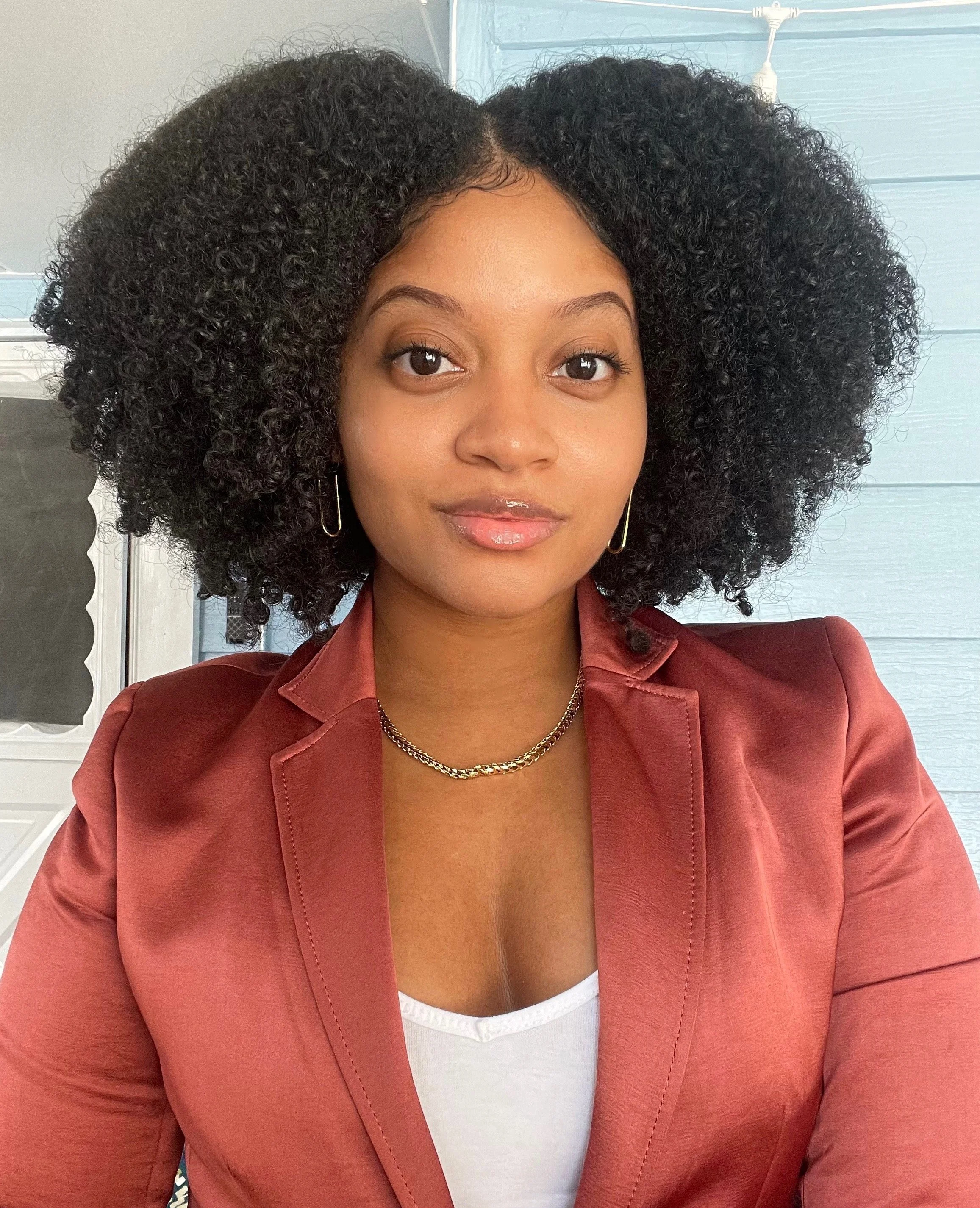
I am licensed for therapy in New York.
In couples therapy, I help partners clarify why they’re seeking support and what each hopes to gain—whether it’s repairing after conflict, finding clarity, or communicating more effectively. Together, we identify unhelpful cycles, uncover underlying needs, and explore what rebuilding trust would require from both sides. I guide couples in responding rather than reacting so they can truly hear one another, and when helpful, I introduce structured dialogue and intimacy-building exercises. Throughout the process, I hold space for both perspectives while gently naming what needs to shift to create a more connected, resilient relationship.
I specialize in working with high-conflict couples, including those navigating family-of-origin wounds, infidelity, and relationships impacted by a partner with BPD or emotion regulation difficulties. I also have expertise in supporting couples navigating new baby and the toll it takes on the relationship. I’m also passionate about helping co-parents find common ground in an unbiased space. Read More About Me Here.
Couples Therapy FAQs
-
A: Not at all. While many couples seek therapy during difficult times, it can also be a proactive space for growth, strengthening connection, and learning better communication skills. Think of it as relationship maintenance, not just emergency repair.
-
A: 12-20 sessions is the typical amount of treatment length to see change. However, you and your partner can be in treatment for longer if you decide to.
-
Yea, we get it. It’s common for one partner to feel hesitant. Sometimes one partner isn’t fully sold on therapy or there’s a fear that the therapist will be biased towards one partner. We don’t take sides here. We will create a safe, neutral environment where both voices are valued. Even just attending a session or two can help both partners better understand the process and decide how to move forward together.
Rebuild, reconnect, and grow together.
Get started with a free consultation, we will schedule time to chat and discuss what’s bringing you to couples therapy and how we would work together. It’s your time to ask questions and figure out if we’re right for you and your partner.