
ADHD Therapy in NYC
ADHD therapy helps you better understand your brain, build practical tools, and stop blaming yourself for struggles that were never about laziness.
Living with ADHD can make everyday responsibilities feel far more overwhelming than they appear to others—and that can be incredibly frustrating. Whether you’re struggling with focus, procrastination, emotional regulation, organization, or constantly feeling like you’re constantly playing catch-up, ADHD can often bring anxiety, self-doubt, and shame. You may find yourself wondering why tasks feel harder to complete, why your mind feels constantly overstimulated, or why you can’t seem to slow down the cycle of overwhelm.
ADHD therapy in NYC offers a space to quiet the shame, reduce stress, and create more ease in your daily life. Together, we’ll explore the emotional impact ADHD has had on your confidence, relationships, work, and routines—while helping you feel more empowered, regulated, and supported in navigating life in a way that works for you.
Does everyday life feel harder than it “should” be?

You know you’re intelligent, capable, and full of potential—but staying organized, managing responsibilities, and following through can feel exhausting. Maybe you procrastinate until the last minute, struggle to focus, lose track of important tasks, or feel overwhelmed by even simple routines.
You may have spent years being labeled as “lazy,” “messy,” “too emotional,” “unmotivated,” or someone who just needs to “try harder.” Over time, those messages can create deep shame, self-doubt, and anxiety. Many adults with ADHD internalize the belief that they’re failing at things that seem easy for everyone else.
For high achievers, ADHD can be especially confusing. You may have learned how to overcompensate through perfectionism, people pleasing, overworking, or constant anxiety-driven productivity. On the outside, you seem successful. Internally, you may feel burnt out trying to keep everything together.
Or maybe you’re just beginning to explore a recent ADHD diagnosis and what it means for you. ADHD is often overlooked or misdiagnosed, especially in women and in individuals who present with more inattentive symptoms rather than hyperactivity. Many people receive a diagnosis in adulthood after years of masking their struggles, overcompensating, or attributing their difficulties to stress, anxiety, or personal shortcomings.
Whether you’re navigating a diagnosis from childhood or recently in adulthood, we’re here for you. ADHD is not a character flaw. Your brain simply works differently—and therapy can help you learn how to work with it instead of against it.
How ADHD Affects Mental Health
ADHD can have a significant impact on mental health, especially when everyday challenges are misunderstood as personal failures. Difficulties with focus, organization, time management, emotional regulation, and follow-through can create chronic stress that builds over time. Many individuals with ADHD experience anxiety from constantly trying to keep up with responsibilities, depression from feeling discouraged or “behind,” and low self-esteem after years of being labeled as lazy, careless, or unmotivated. For high achievers, ADHD may be masked by perfectionism or overworking—often leading to burnout, relationship stress, and feeling disconnected from themselves.
Research also shows that individuals with ADHD are more likely to experience adverse childhood experiences (ACEs), including family conflict, emotional neglect, abuse, or growing up in unpredictable environments. In some cases, trauma symptoms can overlap with ADHD symptoms—such as difficulty concentrating, emotional reactivity, restlessness, and impulsivity—which can make it difficult to understand what someone is truly experiencing. Many individuals may also carry the emotional impact of growing up feeling criticized, misunderstood, or unsupported because their ADHD went unrecognized. This is why trauma-informed ADHD treatment matters. our ADHD therapy can help address both ADHD-related challenges and unresolved trauma, creating space for healing, self-understanding, and healthier ways of coping.

Therapy for ADHD:
Our Specialties
We help adolescents, college students, adults, parents, and high-achieving professionals navigate ADHD-related challenges including:
Executive functioning difficulties (planning, organizing, task initiation & completion)
Procrastination + time blindness
Academic stress & college transition support
Workplace stress and burnout
Emotional dysregulation
Anxiety and perfectionism
Low self-esteem + shame
Relationship difficulties
Parenting with ADHD
Women diagnosed later in life
BIPOC individuals navigating ADHD stigma
Identity struggles after diagnosis
How ADHD Therapy in NYC Helps
Therapy for ADHD in NYC helps you understand how ADHD impacts your daily life, relationships, confidence, and nervous system. Together we identify the systems, habits, and thought patterns that may be keeping you stuck.
Our work might include:
Reducing shame, self-criticism, and ADHD-related overwhelm
Managing executive dysfunction, including difficulties with organization, motivation, time management, task initiation, and follow-through
Understanding patterns related to procrastination, perfectionism, and burnout
Building healthier routines, boundaries, and coping strategies
Improving emotional regulation and reducing anxiety
Setting realistic and sustainable expectations for yourself
Navigating relationships, communication, and daily responsibilities with more ease
Learning to work with your brain rather than constantly against it
Reconnecting with your strengths, values, and sense of self beyond productivity
Processing the grief that can come with a late diagnosis—grieving the years spent feeling misunderstood or believing you simply weren’t trying hard enough.
At Empowered Mind, we focus on helping you stop fighting your brain and start building a life that actually works for you.
Integrative Therapy Techniques for ADHD
Our tailored approach:
Executive Function Coaching helps you build practical skills, structure and accountability to manage daily life, school and/or work.
Trauma-Informed Therapy helps address the emotional impact of the diagnosis of ADHD and recognizes that years of criticism, masking, and feeling misunderstood can have lasting emotional effects.
Cognitive Behavioral Therapy (CBT) helps challenge shame-based thinking, perfectionism, and negative self-talk that often develops after years of feeling “behind.”
Dialectical Behavior Therapy (DBT) offers practical tools to manage intense emotions, tolerate uncertainty, and stay grounded during moments of feeling overwhelmed and frustrated.
Acceptance and Commitment Therapy (ACT) helps you stop defining your struggles and reconnect with your values and sense of direction, so you can make thoughtful, aligned decisions even when life feels uncertain or in flux.
Culturally Affirmative / Multicultural Therapy centers your identities and lived experiences, recognizing how culture, family expectations, and systemic factors can shape how you experience and navigate ADHD, so you feel seen and supported every step of the way.
Parent Coaching helps parents with ADHD build on necessary tools and for those with children with ADHD- better support children while reducing conflict and strengthening connection.
Therapy provides not just understanding, but companionship through transition — a steady space where you don’t have to hold it all alone.
What life can feel like after ADHD therapy in NYC

Picture a life where your responsibilities feel manageable instead of overwhelming. You trust yourself to follow through on tasks, communicate your needs clearly, and create routines that actually stick.
You’re no longer living in cycles of procrastination, shame, and burnout. Instead, you feel more confident, organized, emotionally regulated, and empowered to build a life that works with your brain—not against it.
About Dr. Shaneze Gayle Smith

Licensed in NY, NJ & 41 other states. In-person & virtual availability.
I specialize in working with adolescents, and adults navigating ADHD, executive functioning challenges, and the emotional impact that often comes with feeling misunderstood or unsupported. My background includes child and adolescent training, experience conducting neuropsychological evaluations to assess for ADHD and related concerns, and working as an executive functioning coach helping clients strengthen organization, planning, emotional regulation, and follow-through.
I’m especially passionate about supporting individuals with trauma histories, those processing grief or self-doubt following a late ADHD diagnosis, and parents navigating the unique challenges of raising children while managing their own emotional needs. In therapy, I provide a compassionate, collaborative space where clients can better understand themselves, build confidence, and feel more empowered in their daily lives.
Education
PhD in Clinical Psychology, Seton Hall University (Health Psychology & Child/Adolescent Focus)
Psychology Residency, Albert Einstein College of Medicine/Montefiore Medical Center
MS in Forensic Psychology, Walden University
Medical School (3 years), Rutgers-New Jersey Medical School
BA in Cell Biology and Neuroscience, Rutgers University
Credentials
Advanced training in Cognitive Behavioral Therapy for Adult ADHD and Dialectical Behavior Therapy (DBT) for emotional dysregulation.
Training in neuropsychological assessments for ADHD
Over a decade of experience working as an executive functioning coach
About Vernee Brooks, LPC, LMHC

Licensed in NY, NJ & TX. Virtual availability ONLY
I specialize in supporting individuals and families navigating the unique challenges that can come with ADHD, AuDHD, developmental disabilities, and neurodivergence across different stages of life. I’m especially passionate about working with parents of children with special needs, helping them manage the emotional demands of caregiving, advocate for their children, and create more sustainable balance within their family systems. My work is grounded in compassion, collaboration, and an understanding that neurodivergence impacts not only daily functioning, but also identity, relationships, and self-worth.
I also enjoy working with creatives, entrepreneurs, and individuals with unconventional work schedules whose ADHD may show up in ways that traditional productivity advice doesn’t account for. Many of my clients struggle with overwhelm, inconsistency, burnout, emotional regulation, or feeling misunderstood in environments that weren’t built for how their minds work. Together, we focus on reducing shame, improving self-understanding, and creating systems and routines that feel realistic and supportive rather than rigid or punishing.
In relationships and dating, ADHD can contribute to communication difficulties, emotional sensitivity, forgetfulness, impulsivity, or patterns of conflict and disconnection. I help clients better understand how ADHD may be impacting their relationships while building healthier communication, stronger boundaries, and deeper emotional connection. My goal is to help clients feel more empowered, supported, and confident in navigating life in ways that honor who they are—not who they feel pressured to be.
Education
M.S. in Clinical Mental Health Counseling, Walden University
BA in Psychology, Rutgers University
Credentials
Advanced training in Cognitive Behavioral Therapy (CBT) for ADHD, Acceptance and Commitment Therapy (ACT) and Dialectical Behavior Therapy (DBT).
Training on ADHD impact on family systems
Over a decade of experience working with neurodivergent population specifically AuDHD.
About Christine Pacheco, LMSW
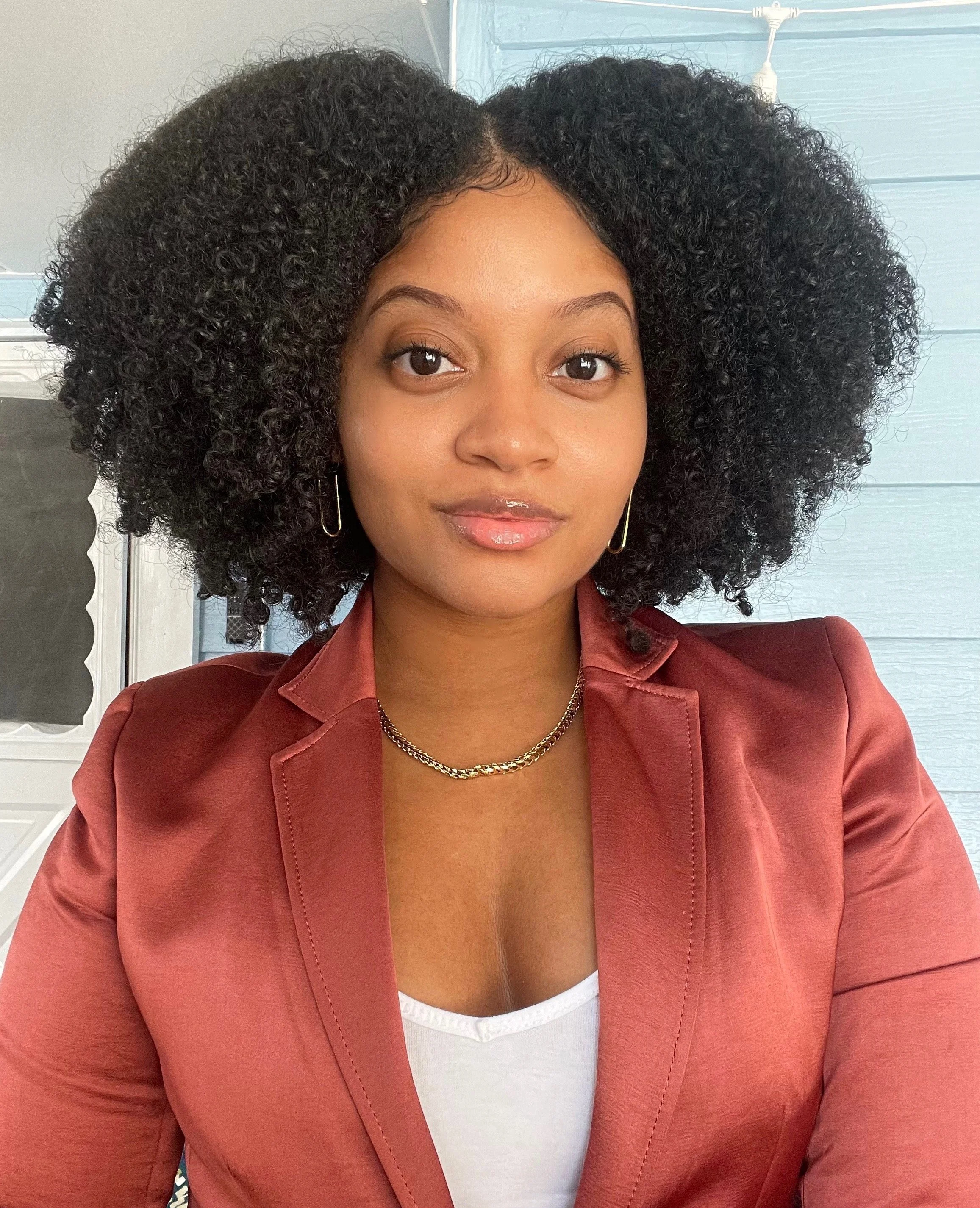
Licensed in NY. Virtual availability ONLY.
I specialize in working with individuals navigating ADHD alongside emotional overwhelm, chronic stress, and major life transitions. Many of my clients struggle with emotional regulation—feeling easily overstimulated, reactive, frustrated, or emotionally exhausted from trying to manage responsibilities while appearing like they have everything under control. I work with high achievers who place intense expectations on themselves and may silently struggle with anxiety, burnout, perfectionism, or shame related to feeling inconsistent or overwhelmed behind the scenes.
I’m also passionate about supporting parents and co-parents navigating the unique stressors that can arise when raising children with ADHD. Differences in parenting styles, emotional exhaustion, communication difficulties, and the constant demands of advocacy and caregiving can place significant strain on relationships and family systems. Therapy provides a space to process these stressors, strengthen emotional regulation, improve communication, and build more sustainable ways of coping both individually and within the family dynamic.
Additionally, I enjoy helping clients manage life transitions that can intensify ADHD symptoms, such as starting a new job, becoming a parent, moving, or adjusting to changing routines and responsibilities. These transitions often bring uncertainty, pressure, and self-doubt, especially for individuals already struggling to keep up with daily demands. In therapy, I help clients slow down, reconnect with themselves, and create a more balanced, compassionate approach to navigating change and the expectations they place on themselves.
Education
Master of Social Work, Fordham University
Bachelor of Arts in Psychology, Brooklyn College
Credentials
Advanced training in Cognitive Behavioral Therapy (CBT) for ADHD, Attachment-based therapy, and Dialectical Behavior Therapy (DBT) for emotional dysregulation.
Expertise in supporting mothers and co-parents.
About a decade experience supporting high achieving professionals