
Couples Therapy for Communication Issues
Sometimes the hardest people to talk to are the ones we love most.
When You Keep Choosing People Who Don’t Choose You
You keep finding yourself in relationships where you give more than you receive. You make the effort, make the plans, make excuses for them, and keep trying to understand why they can’t seem to show up for you in the same way. And when they pull away, you find yourself trying even harder to hold on.
Maybe you’ve promised yourself you wouldn’t do this again. Maybe you’ve even known for months that this relationship isn’t giving you what you need. But leaving feels harder than it should. You tell yourself they’ll change. You remember the good moments. You wonder if you’re asking for too much. And somehow, you’re still there.
These patterns aren’t simply about choosing the wrong person. The way you respond to distance, rejection, and the possibility of being abandoned can have roots that reach much deeper than the relationship you’re in now. You may have learned to keep people close by giving more, asking for less, and putting their needs ahead of your own.
At Empowered Mind, we help professionals understand what keeps them caught in these painful relationship patterns — why they keep overgiving, why walking away can feel so difficult, and why relationships can bring out a version of themselves they barely recognize.

Does This Sound Like Your Relationship?
You keep explaining what you need, but somehow the same pattern keeps happening
You find yourself giving more, accommodating more, and asking for less just to keep the relationship steady
When they pull away, you move closer — trying harder, giving more, and worrying about what you might have done wrong
You know you’re being treated in ways you wouldn’t accept for someone you love, yet leaving still feels almost impossible
You spend so much energy thinking about their feelings, reactions, and needs that your own needs have become an afterthought
You carefully choose your words, hold back your feelings, or stay quiet because you’re afraid asking for too much could push them away
You constantly question yourself — wondering whether you’re too sensitive, too demanding, or simply expecting too much
They apologize, things get better for a while, and then somehow you find yourself back in the same painful place
You’ve become so focused on being understanding and keeping the relationship together that you barely recognize how much of yourself you’ve given up
The distance between what you know you deserve and what you’re willing to accept has become increasingly difficult to ignore

Therapy That Goes Beneath the Pattern
Most people who struggle in relationships don’t begin by thinking there’s something happening deep inside them. They just know they keep ending up in the same place — giving too much, asking for too little, feeling anxious when someone pulls away, and staying long after they know something isn’t right. From the outside, the relationship may look complicated. Inside, it can feel even harder to understand why you keep doing what you know hurts you.
Research has long connected attachment, early relationships, and our experiences of being cared for with the ways we relate to others as adults. But these patterns rarely announce themselves. They show up in the partner you choose, the things you’re willing to tolerate, how quickly you blame yourself, and how much of yourself you’re willing to give to keep someone close. What looks like difficulty finding the right person can sometimes be something deeper: a fear of being left, a need to be chosen, or a belief that love has to be earned.
That doesn’t mean you’re incapable of having a healthy relationship. It means some of the ways you’ve learned to protect yourself in relationships may be repeating themselves long after they were first learned. You may understand intellectually that you deserve more while still feeling emotionally pulled toward people who don’t give it to you. You may know when you should leave and still find yourself unable to let go.
At Empowered Mind, we look beneath the relationship pattern to understand what’s happening underneath it — the fears, expectations, defenses, and emotional needs that can keep you caught in relationships that leave you feeling unseen or unvalued. Because sometimes the hardest part isn’t knowing that something is wrong. It’s understanding why, despite knowing, you keep finding yourself there.
How Couples Therapy At EMTG Helps You Feel Heard
-
Most couples are caught in the same loop for years without ever seeing it clearly. We help you identify your specific communication cycle — the trigger, the reaction, the escalation, the withdrawal — so you can recognize it in real time instead of only understanding what happened after the damage is done.
-
Most communication breaks down not because of what's being said but because of how fast it moves from topic to conflict. We give you tools to decelerate — to create enough space between stimulus and response that you're choosing how you show up rather than just reacting.
-
Criticism, contempt, and blame are almost always armor — ways of expressing pain that make the other person too defensive to actually hear it. We help you get underneath the armor and communicate from the softer, more honest place beneath it. That's where real conversations happen.
-
Most people in conflict aren't listening — they're waiting to respond, or bracing for attack. We help you develop the capacity to genuinely receive what your partner is communicating, even when it's imperfect, even when it stings — and to reflect it back in a way that makes them feel genuinely understood for the first time in a long time.
-
When one partner reaches for connection and the other pulls back, both end up feeling alone — the pursuer abandoned, the withdrawer overwhelmed. We help you understand what this cycle is actually about for each of you, and how to interrupt it before it swallows the conversation entirely.
-
Lots of couples apologize. Far fewer actually repair. We help you understand the difference — and build the kind of repair process that genuinely closes a rupture instead of just pausing it until the next time.
-
Most couples have two or three topics they've quietly agreed never to touch because it never goes anywhere good. Those avoided conversations don't disappear — they accumulate into distance. We create the safety and structure to finally have them productively, so nothing important stays permanently off the table.
-
Every recurring argument has a deeper emotional question driving it — usually something about safety, worth, or belonging. We help you identify what each of you is actually asking for underneath the surface conflict, so you can respond to the real need instead of just the presenting complaint.
-
When communication has been consistently painful, couples stop trusting the process of talking — not just the content of what's said. We help you accumulate enough positive experiences of being heard that conversation starts to feel like something safe to move toward rather than something to brace for.
-
The goal isn't to never have conflict. It's to have it in a way that doesn't cost you the relationship every time. We help you build a shared vocabulary and a set of agreements for navigating hard moments — so when things get tense, you both know how to find your way back to each other.
Therapeutic Techniques for Couples Therapy
Cognitive Behavioral Therapy (CBT) helps you challenge unhelpful thinking patterns and core beliefs you have about your partner that often fuel miscommunication and resentment. CBT uses communication skills so couples learn practical techniques for expressing themselves clearly and listening effectively.
Culturally Affirmative/Multicultural Therapy prioritizes your background and all of your identities and how these experiences shape who you are and how you view your relationship. It can also help explore what expectations you may have about yourself and/or your partner.
Trauma-Informed Therapy helps you process and heal from previous childhood traumas and/or relational traumas from past partners that are impacting your relationship.
Dialectical Behavior Therapy (DBT) provides skills to manage intense emotions and develop emotional regulation when in moments of conflict.
Acceptance and Commitment Therapy helps you identify your values and goals and how to align them with your actions in your relationship.
Emotionally Focused Therapy for Couples (EFT) builds on attachment theory to support couples to build strong, healthy relationships by exploring and changing emotional dynamics to enhance mutual understanding and closeness.
Couples therapy offers a powerful opportunity for partners to improve communication, rebuild trust, and deepen emotional intimacy. With our guidance, couples can break negative patterns, resolve lingering conflicts, and better understand each other’s needs. Whether you’re facing a specific challenge or simply want to strengthen your relationship, therapy provides tools and insights to foster healthier, more supportive dynamics.
About Dr. Shaneze Gayle Smith

I am licensed to provide therapy in 41 states.
I understand how demoralizing it can feel when the person you love most has somehow become the hardest person to talk to. Couples struggling with communication often come to me exhausted — not from a lack of trying, but from trying the same things over and over and watching them fail the same way every time. The conversation that starts reasonably and ends in shutdown. The apology that gets made but never quite lands. The topic you've both quietly agreed to never bring up again because it never goes anywhere good. What looks like a communication problem on the surface is almost always something deeper underneath — two people who care enormously about each other and have no roadmap for how to reach each other safely. Therapy offers a space to build that roadmap — to slow the conversation down, understand what's actually happening between you, and rediscover what it feels like to be genuinely heard by the person you chose.
I have expertise working with couples carrying communication patterns shaped by trauma — where self-protection has become so automatic that vulnerability feels genuinely dangerous, and where the defensive responses that once kept someone safe are now keeping their partner out. I also specialize in working with couples navigating chronic health issues that have shifted the emotional dynamic of the relationship, interracial and mixed-race couples navigating cultural differences in how conflict, emotion, and communication are expressed, and parents whose communication has broken down under the added pressure of raising children together. Read More About Me Here
About Vernee Brooks, LPC, LMHC

I am licensed for therapy in New York, New Jersey & Texas.
As a therapist who works with couples, I help partners move beyond the communication patterns that have left them feeling chronically misunderstood — the conversations that go in circles, the silences that stretch too long, the arguments that seem to be about one thing but are clearly about something else entirely. When talking consistently leads somewhere painful, most couples do one of two things: they fight harder or they stop trying. Neither works. In couples therapy, I provide a neutral space where both partners can slow down enough to actually hear each other — not just wait for their turn to respond — and develop a shared language for the hard conversations that have been piling up. Whether you're caught in a pursue-withdraw cycle, struggling to repair after conflict, or simply feeling more like strangers than partners, therapy can help you find a way back to each other.
I have expertise working with couples where communication has broken down so severely that separation feels like a real possibility — including those who aren't sure whether they're coming to therapy to fix the relationship or to figure out whether it's worth fixing. I also specialize in working with couples where one or both partners are ambivalent, reluctant, or uncertain about the process itself. That ambivalence doesn't disqualify the work — it's often where the most important conversations begin. I approach therapy with flexibility and respect for where each person actually is, creating enough structure and safety for honest dialogue to happen at a pace both partners can sustain. Read More About Me Here.
About Christine Pacheco, LMSW
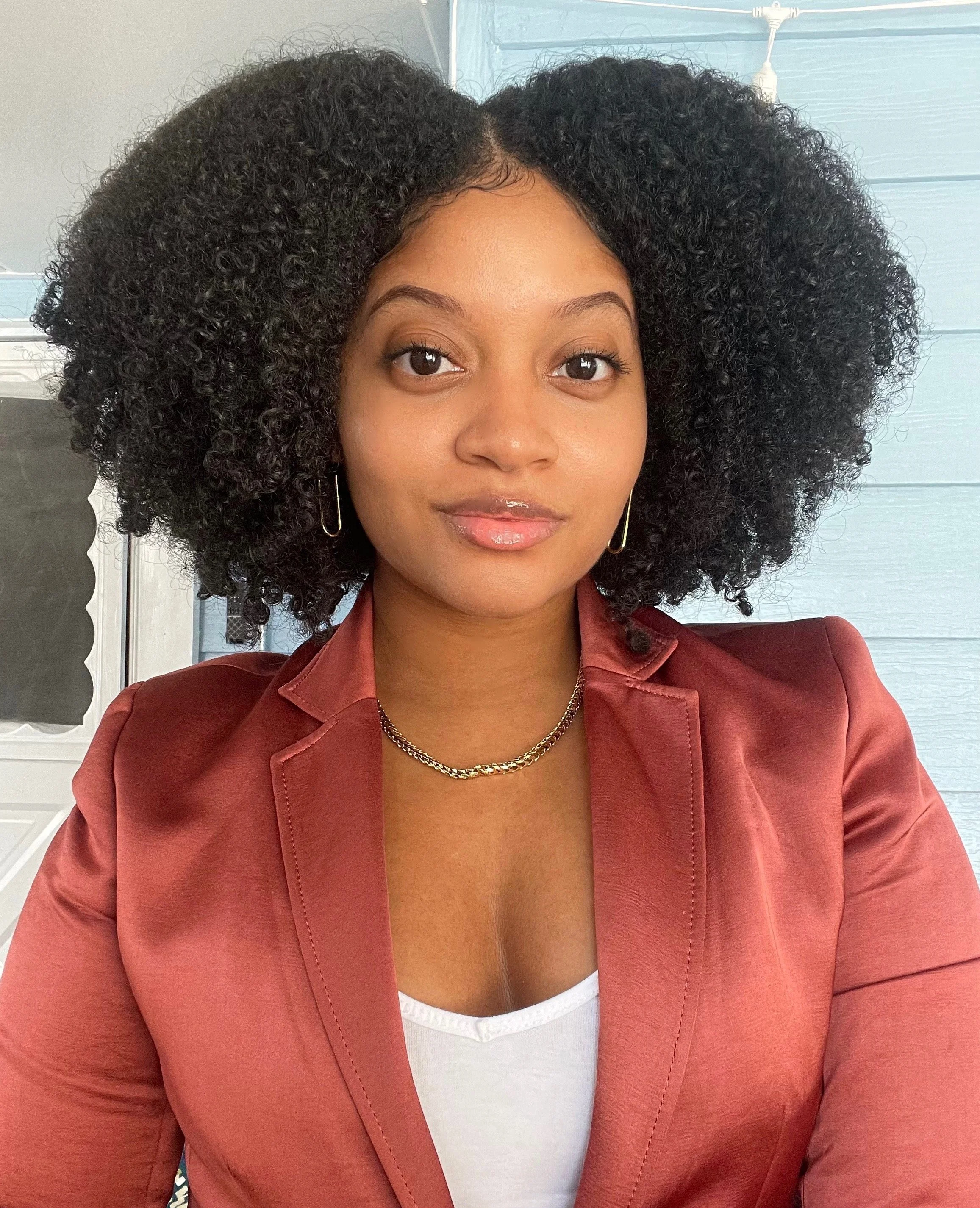
I am licensed for therapy in New York.
In couples therapy, I help partners get precise about what's actually breaking down — because communication problems are rarely just about communication. They're about the emotional logic underneath the words: the fear of not mattering, the expectation of being dismissed, the self-protective response that lands as an attack before anyone realizes what happened. I help couples identify their specific patterns by name, understand what's driving them beneath the surface, and build a different way of engaging — one where both partners are responding to what's actually being said rather than bracing for what they expect to hear. When it's useful, I introduce structured dialogue and repair practices that give couples a reliable way back to each other after things go sideways.
I specialize in high-conflict couples where communication has become genuinely adversarial — where contempt, defensiveness, and years of accumulated hurt have made even neutral conversations feel like potential flashpoints. I have deep expertise working with couples where family-of-origin wounds are driving communication patterns neither partner fully recognizes — where the way each person learned to navigate conflict, emotion, and connection in childhood is quietly running the show in the relationship. I also specialize in couples navigating communication breakdown in the aftermath of a major rupture — infidelity, betrayal, or a period of crisis — where the challenge isn't just learning to talk differently but rebuilding enough trust to make honest conversation feel safe again. Read More About Me Here.
Couples Therapy FAQs
-
A: Not at all. While many couples seek therapy during difficult times, it can also be a proactive space for growth, strengthening connection, and learning better communication skills. Think of it as relationship maintenance, not just emergency repair.
-
A: 12-20 sessions is the typical amount of treatment length to see change. However, you and your partner can be in treatment for longer if you decide to.
-
Yea, we get it. It’s common for one partner to feel hesitant. Sometimes one partner isn’t fully sold on therapy or there’s a fear that the therapist will be biased towards one partner. We don’t take sides here. We will create a safe, neutral environment where both voices are valued. Even just attending a session or two can help both partners better understand the process and decide how to move forward together.
Rebuild, reconnect, and grow together.
Get started with a free consultation, we will schedule time to chat and discuss what’s bringing you to couples therapy and how we would work together. It’s your time to ask questions and figure out if we’re right for you and your partner.