
Relationships & Attachment Therapy in NYC
Do you find yourself repeating the same relationship patterns?
You may find yourself constantly worrying about where you stand with a partner, feeling afraid of being abandoned, struggling to trust others, or pulling away when relationships become too emotionally intimate.
Perhaps you keep finding yourself attracted to emotionally unavailable partners, lose yourself in relationships, or feel trapped between wanting closeness and fearing vulnerability.
These patterns are often rooted in attachment wounds and past relationship experiences rather than personal flaws.
At Empowered Mind Therapy, we help individuals understand the deeper roots of relationship difficulties so they can build healthier, more secure, and more fulfilling connections.
Signs Attachment Wounds May Be Affecting Your Relationships
Relationship challenges often stem from experiences that occurred long before your current relationship.
You may notice:
Fear of abandonment or rejection
Difficulty trusting others
Anxiety when a partner becomes distant
Overthinking texts, conversations, or interactions
Constant need for reassurance
Difficulty expressing needs
People pleasing in relationships
Fear of conflict
Difficulty setting boundaries
Attraction to emotionally unavailable partners
Difficulty maintaining intimacy
Pulling away when relationships become serious
Feeling emotionally overwhelmed during conflict
Repeating unhealthy relationship patterns
Many people know something isn’t working but struggle to understand why they continue finding themselves in the same situations.

How Childhood Experiences Influence Adult Relationships
The relationships we experience during childhood often shape how we view ourselves, others, and emotional connection.
Children who grow up with emotionally unavailable, critical, inconsistent, neglectful, or unpredictable caregivers may learn important lessons about relationships that continue into adulthood.
You may have learned:
Love must be earned.
My needs are too much.
People will eventually leave.
I have to take care of others to be loved.
I can’t depend on anyone.
Vulnerability is dangerous.
These beliefs often operate outside of conscious awareness yet continue to influence dating, friendships, family relationships, and romantic partnerships. Book a Call Now to Learn More.
Common Attachment Patterns
Attachment styles are not labels or life sentences. They are patterns that develop through experiences and can change over time through self-awareness and healing.
Anxious Attachment
Individuals with anxious attachment often desire closeness and connection but fear abandonment or rejection.
This may show up as:
Seeking frequent reassurance
Worrying about a partner’s feelings
Difficulty tolerating uncertainty
Overanalyzing interactions
Fear of being left or replaced
Beneath these patterns is often a deep desire for safety, consistency, and emotional security.
Avoidant Attachment
Individuals with avoidant attachment often value independence and self-reliance but may struggle with emotional vulnerability and intimacy.
This can look like:
Pulling away when relationships become serious
Difficulty expressing emotions
Feeling uncomfortable depending on others
Prioritizing independence over connection
Difficulty trusting people
Many individuals with avoidant tendencies learned early in life that relying on others was unsafe or disappointing.
Disorganized Attachment
Some individuals experience a combination of both anxious and avoidant patterns.
You may deeply desire connection while simultaneously fearing it.
This can create cycles of:
Intense closeness followed by withdrawal
Trust difficulties
Emotional highs and lows
Fear of abandonment
Fear of vulnerability
Relationships often feel confusing, exhausting, and emotionally intense.
Explore our blog on “Understanding Attachment Styles: How Childhood Experiences Influence Adult Relationships” to gain more information about attachment.

Why We Repeat Relationship Patterns
You might be asking yourself, “Why do I keep falling for the same type of person?” or “I know this relationship isn't healthy, but I feel drawn to it anyway.” Many people blame themselves for relationship struggles.
However, relationship patterns often develop as adaptations to earlier experiences and relationships. The ways we learned to seek connection, protect ourselves, and navigate conflict during childhood often continue into adulthood, even when those strategies are no longer serving us.
If you grew up walking on eggshells, people pleasing may have helped you avoid conflict.
If caregivers were inconsistent, hypervigilance may have helped you anticipate problems and maintain a sense of safety.
If vulnerability led to disappointment, criticism, or rejection, emotional distance may have felt safer than relying on others.
The patterns that once protected you can become barriers to connection later in life.
Many people also find themselves unconsciously recreating familiar relationship dynamics. As children, we learn what relationships look and feel like from the people around us. Even when those experiences were painful, unpredictable, or unhealthy, they can become familiar and normalized.
For example, someone who grew up feeling responsible for a parent's emotions may find themselves repeatedly taking on a caretaker role in adult relationships. Someone who experienced inconsistency or emotional unavailability may find themselves drawn to partners who are similarly difficult to reach or depend upon.
This does not mean people intentionally choose unhealthy relationships. Rather, we are often drawn toward what feels familiar, even when it is not what we truly need.
Without realizing it, many individuals continue playing the same roles they learned in childhood—the caretaker, the peacemaker, the overachiever, the rescuer, or the one whose needs come last.
Understanding these patterns is not about blaming yourself or your family. It is about recognizing how past experiences continue to influence present-day relationships so that you can begin making different choices and building healthier, more secure connections.
How Therapy For Relationships and Attachment Helps
Relationship and attachment therapy can help you:
Develop healthier relationship patterns
Improve communication skills
Build stronger boundaries
Increase self-worth
Reduce relationship anxiety
Heal attachment wounds
Improve emotional regulation
Learn to trust yourself and others
Navigate dating with greater confidence
Create healthier and more secure connections
Therapy provides a space to understand the origins of your patterns while developing new ways of relating to yourself and others.
Our Approach to Attachment Therapy
At Empowered Mind Therapy, we understand that relationship struggles often make sense when viewed through the lens of past experiences, attachment wounds, and the ways individuals learned to navigate connection, conflict, trust, and vulnerability. Healing attachment wounds involves more than understanding the past. While insight is important, lasting change often comes from having new experiences that foster safety, consistency, trust, and emotional connection.
Our therapists use evidence-based and trauma-informed approaches tailored to your unique needs, history, and goals. Treatment may incorporate:
Attachment-Focused Therapy to help identify how early relationships shaped your expectations of yourself and others, understand recurring relationship patterns, and develop more secure ways of connecting.
Cognitive Behavioral Therapy (CBT) to identify unhelpful thinking patterns, challenge fears related to rejection, abandonment, or self-worth, and develop healthier ways of responding to relationship stress.
Mindfulness-Based Approaches to increase awareness of thoughts, emotions, and physical sensations while helping clients respond to difficult experiences with greater intention, self-compassion, and emotional regulation.
Psychodynamic Therapy to explore how past experiences and unconscious patterns continue to influence present-day relationships, emotional reactions, and beliefs about yourself and others.
Emotion-Focused Interventions to help individuals better understand, process, and communicate emotions while strengthening emotional awareness and connection.
Trauma-Informed and Nervous System-Based Strategies to help clients recognize how relationship experiences affect the body, reduce hypervigilance and anxiety, and develop a greater sense of safety in relationships.
Together, these approaches can help individuals build self-trust, strengthen boundaries, improve communication, reduce relationship anxiety, and develop more secure and fulfilling connections.
About Dr. Shaneze Gayle Smith

I am licensed to provide therapy in NY, NJ, and 41 other states and would be honored to support you on your journey toward healing, growth, and more secure relationships.
I work with adults struggling with attachment wounds, relationship anxiety, people pleasing, and the lasting effects of childhood trauma. Many of my clients are high-functioning individuals who appear successful on the outside but find themselves repeating unhealthy relationship patterns, questioning their needs, or feeling responsible for everyone else's well-being. Some are also navigating chronic health concerns, burnout, or stress-related symptoms and are beginning to recognize the connection between their physical health, nervous system, and relational experiences.
Many clients come to therapy wanting not only to heal themselves but also to break generational cycles for their children. Together, we explore how early experiences shaped beliefs about love, safety, worthiness, and connection while developing healthier boundaries, greater self-trust, and more secure ways of relating. Through a warm, collaborative, and attachment-focused approach, I help clients move beyond survival patterns so they can create relationships, families, and lives rooted in connection, intention, and emotional well-being.
About Vernee Brooks, LPC, LMHC

I am licensed for therapy in New York, New Jersey & Texas.
I work with adults who struggle with overwhelming emotions, unstable relationship patterns, and the lasting effects of trauma. Many of my clients find themselves repeatedly entering unhealthy or abusive relationships, staying in relationships that no longer fulfill them, or feeling stuck between wanting connection and fearing vulnerability. Others struggle with intense emotions, difficulty trusting themselves, or feeling trapped in cycles they know are hurting them but find difficult to change. Together, we work to understand the experiences that shaped these patterns while developing healthier ways to navigate emotions, relationships, and self-worth.
I also have experience supporting survivors of childhood sexual abuse and understand the profound impact trauma can have on intimacy, trust, body image, and emotional connection. Through a compassionate, trauma-informed approach, I help clients heal shame, strengthen boundaries, build emotional resilience, and develop relationships that feel safer, more authentic, and more fulfilling.
About Christine Pacheco, LMSW
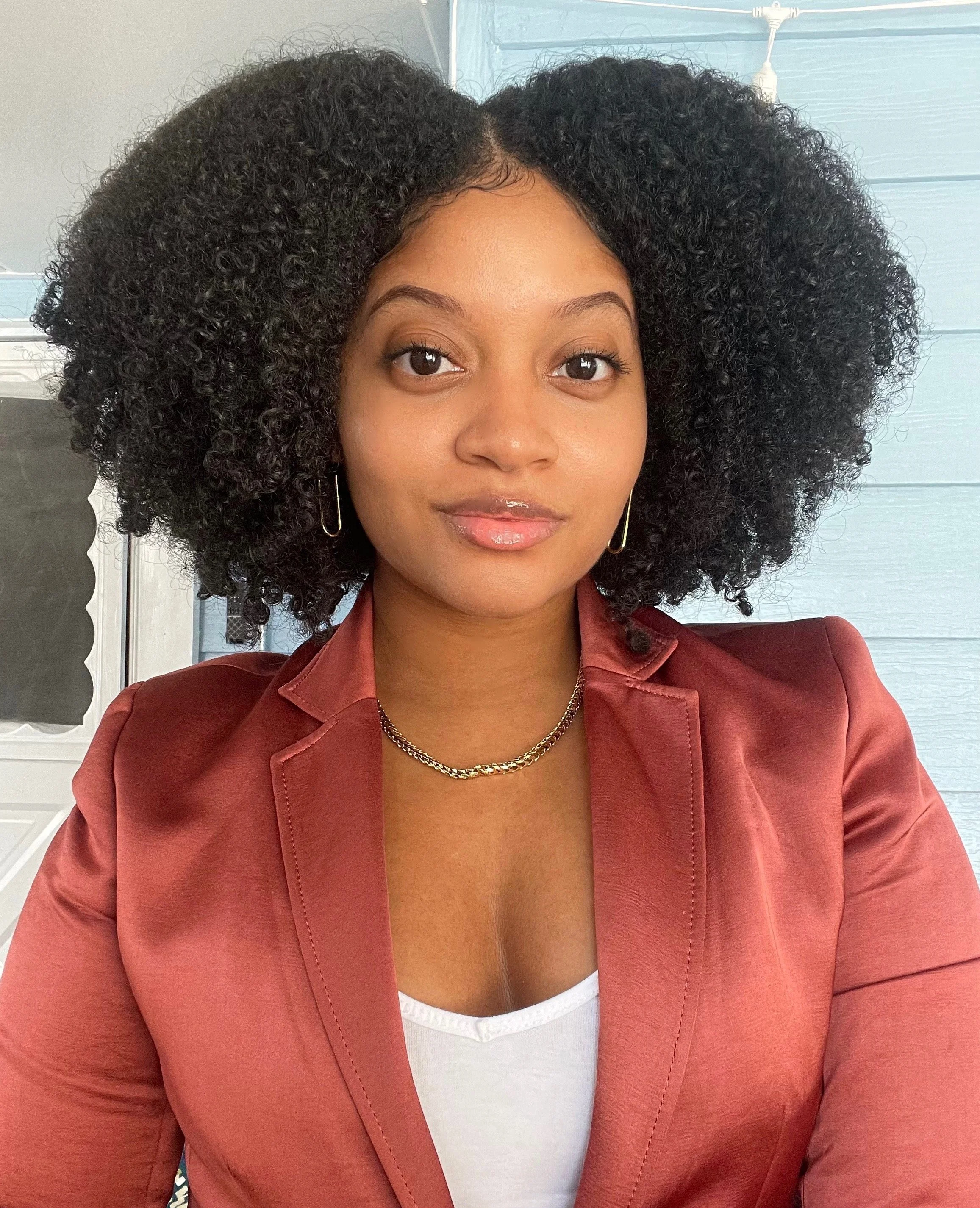
I am licensed for therapy in New York.
I work with adults navigating relational and attachment trauma, particularly those who have learned to survive by becoming perfectionists, people pleasers, caretakers, or high achievers. Many of my clients find themselves prioritizing others' needs over their own, struggling with boundaries, seeking external validation, or repeating unhealthy relationship patterns despite their best efforts to change. Together, we explore how early experiences shaped these patterns while building greater self-trust, emotional awareness, and more secure ways of relating to others.
As both a therapist and relationship consultant, I am especially passionate about supporting individuals recovering from abusive relationships, including narcissistic abuse. I also enjoy working with parents who are re-entering the dating world and want to build healthy, fulfilling relationships while balancing the responsibilities of family life. Through a compassionate, attachment-focused approach, I help clients heal from past wounds, strengthen boundaries, break unhealthy cycles, and create relationships rooted in authenticity, safety, and mutual respect.

Build More Secure Relationships
Relationship patterns can change.
Whether you’re navigating dating, recovering from a painful relationship, struggling with trust, or hoping to build healthier connections, therapy can help you move toward relationships that feel more secure, balanced, and fulfilling.
You deserve relationships where you can feel connected without losing yourself.
Begin Relationships & Attachment Therapy in NYC
If relationship challenges, attachment wounds, or past experiences are affecting your ability to connect with others, we’re here to help.
Contact us today to schedule a consultation and learn how relationship and attachment therapy can support your healing and growth.
-
Yes. Attachment styles are not permanent. While early experiences help shape our attachment patterns, people can develop more secure ways of relating through self-awareness, healthy relationships, and therapy. Attachment-focused therapy can help individuals understand old patterns, build self-trust, improve communication, and create healthier, more secure relationships.
-
Yes. Fear of abandonment and relationship anxiety are common concerns among individuals with attachment wounds. Therapy can help you understand the experiences that contributed to these fears, develop healthier coping strategies, improve emotional regulation, and build greater confidence and security within relationships.
-
No. Many people seek attachment-focused therapy while single. Therapy can help you better understand your relationship patterns, strengthen your sense of self, improve boundaries, and prepare for healthier future relationships. The work often benefits dating, friendships, family relationships, and your relationship with yourself.